 Groove
The Story Of Vinyl And Dance Records: The Short Version
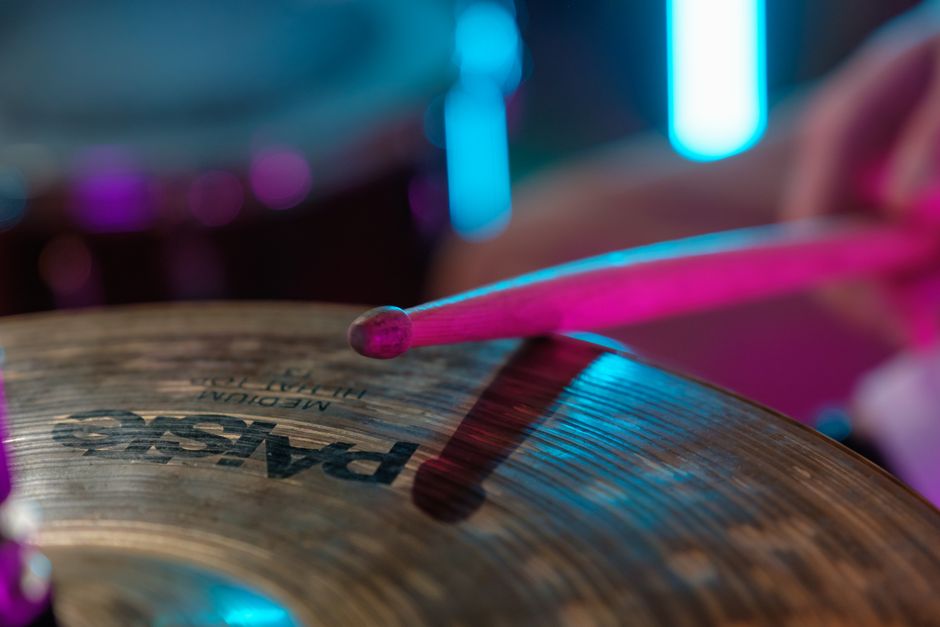
Good vinyl and dance records is less about spending more and more about a few smart choices. Most of the work happens before you leave home. Here is a practical look at vinyl and dance records for music fans.
Why it matters
The vinyl record has a long history. Earlier discs were made from shellac and spun at a fast speed, holding only a few minutes of music on each side. In the late 1940s, the long-playing record arrived, with finer grooves and a slower speed that allowed around twenty minutes per side. Smaller seven-inch singles followed, which put a single song on one side and became the format of popular radio hits.
Leaving your space as clean as you found it keeps events welcome everywhere.
The basics
It helps to remember that dance music found a special use for vinyl in the 1970s. Club DJs wanted tracks that lasted longer and sounded stronger on large speakers. Producers began releasing twelve-inch singles, which have wider grooves, louder sound and room for extended versions of songs. These extended mixes gave DJs more time to blend one record into the next and kept dancers on the floor.
If you remember one thing, let it be that the weather decides more than the line-up.
What to plan first
Turntables changed too. Direct drive turntables, with a motor under the platter, started quickly and held a steady speed, which made them reliable for mixing. A pitch control let DJs speed up or slow down a record slightly so that two tracks could match. Over time, DJs developed cueing, scratching and looping techniques that turned the turntable into a musical instrument.
If you remember one thing, let it be that the weather decides more than the line-up.
Step by step
It helps to remember that dance record culture grew in record shops and minor labels. Collectors dug through crates to find rare pressings, and a new release might arrive in the hands of only a few DJs before it spread. Sleeves, labels and artwork became part of the identity of whole scenes. Many tracks that now fill festival stages first appeared as limited vinyl pressings.
The goal is a plan you can repeat easily, not a perfect one-off.
Small things that help
Digital formats changed how DJs carry music, yet vinyl has remained popular among collectors and performers who love its warmth, its ritual and the physical connection to the sound. If you try it yourself, handle records by the edges, store them upright in a cool place, and keep your stylus clean. A good record, well cared for, can play for decades.
Small details like a spare bag for wet clothes make a big difference.
Practical tips
A few simple things tend to help:
- Take a reusable bottle if the event allows it.
- Bring earplugs made for concerts.
- Take your rubbish home or use the recycling points.
- Check the event's official rules before you pack.
The bottom line
The best festival is the one you enjoy from start to finish. Keep it simple, stay flexible, and enjoy the music. That is really all it takes.
Frequently asked questions
How far ahead should I plan?
A few weeks is enough for most events. Tickets, travel and camping spots are the things to sort first.
Can I bring kids?
Many events welcome families. Check the age rules and look for family camping areas and quieter zones.
Is it fine to go alone?
Yes. Many people go to events solo. Share your plans with someone at home and keep your phone charged.
What if the weather turns bad?
Pack a light rain jacket and a spare set of dry clothes. Most events go ahead in rain, so plan to enjoy it anyway.