 Groove
 Reggae And Electronic Music In Brief: The Short Version
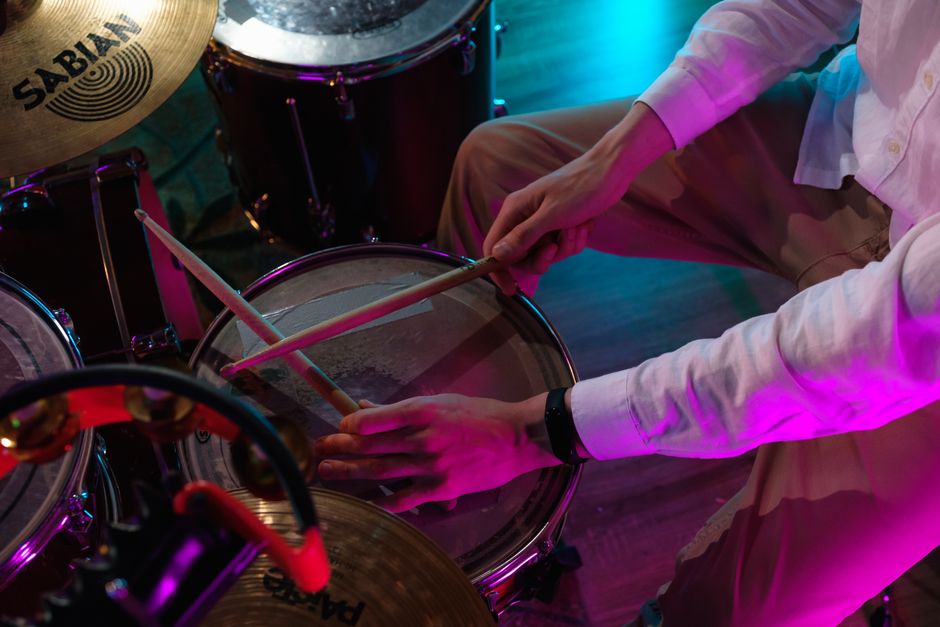
If reggae and electronic music is new to you, start with the simplest version. Most of the work happens before you leave home. Let's look at what makes reggae and electronic music work, and what you can skip.
Start here
Put simply, reggae grew from the music scene of Jamaica in the late 1960s. It came after ska and rocksteady, styles that slowed the beat and emphasized the offbeat. Reggae brought a deeper, more relaxed groove, with a prominent bass line, a rhythm guitar that chops on the second and fourth beats, and drums that often place the main accent on the third beat of the bar.
What you need
Worth keeping in mind: lyrics in reggae often speak of community, justice, faith and daily life. The genre reached listeners around the world in the 1970s, and its message of unity and resistance resonated far beyond Jamaica. Sound system culture, in which operators built large speaker stacks and played records at street parties, also became hugely influential, inspiring the dub style and later DJ practices everywhere.
None of this needs to be perfect; every event is a little different.
Your first time
On a day-to-day level, electronic music has a different but connected story. Early twentieth century inventors built instruments that produced sound with electricity. Studios in the middle of the century used tape, oscillators and early synthesizers to create entirely new textures. By the 1970s, affordable synthesizers and drum machines entered pop, and bands began to make music with machines.
What to expect
In practice, in the 1980s, club scenes in several American and European cities developed new styles built around drum machines and sequencers. House music grew in Chicago, techno took shape in Detroit, and other forms followed across the world. These styles were made for dancing, with steady pulses, layered rhythms and long builds that suit a night in a club or a festival field.
Easy upgrades
Today the two traditions meet frequently. Reggae basslines and dub effects appear in electronic tracks, and festival lineups mix live bands with DJs. If you are curious, try listening to a classic reggae album and a classic house record back to back. Notice how both use repetition, space and rhythm to bring most of us together on a dance floor.
Practical tips
A few simple things tend to help:
- Pack layers; nights outdoors get cold quickly.
- Bring earplugs made for concerts.
- Agree on a meeting point with your group.
- Take your rubbish home or use the recycling points.
The bottom line
Keep it simple, stay flexible, and enjoy the music. Take it one event at a time. Each one teaches you what you really need to bring.
Frequently asked questions
How far ahead should I plan?
A few weeks is enough for most events. Tickets, travel and camping spots are the things to sort first.
What if the weather turns bad?
Pack a light rain jacket and a spare set of dry clothes. Most events go ahead in rain, so plan to enjoy it anyway.
Can I bring kids?
Many events welcome families. Check the age rules and look for family camping areas and quieter zones.
Is it fine to go alone?
Yes. Many people go to events solo. Share your plans with someone at home and keep your phone charged.