 Groove
Protecting Your Hearing At Concerts: A Realistic Plan
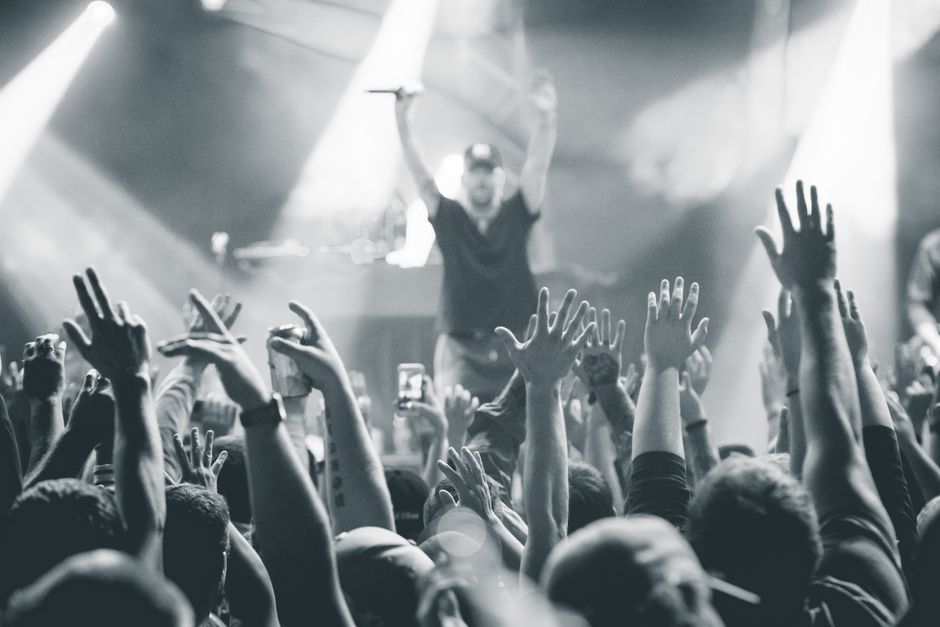
Hearing protection at concerts goes much better when you are ready for a change in the weather. Most of the work happens before you leave home. Below, we walk through hearing protection at concerts step by step.
Checking the forecast
On a day-to-day level, take short breaks. Step outside or to a quieter area between acts to give your ears a rest, and avoid putting headphones at high volume right after a loud show. Keep a spare pair of plugs in your bag, since they are easy to lose. Children and teenagers can wear earmuffs designed for kids, which are widely sold and easy to adjust.
Good company and a relaxed pace do most of the work for you.
Ready for rain
More often than not, if your ears ring after a show or sounds seem muffled, pay attention and give yourself quiet time. Some venues and festivals hand out free plugs or sell them at the merchandise table, so ask. Wearing protection is a normal, sensible habit among musicians, sound crews and long-time fans. This is general guidance, not medical advice, and anyone with concerns should talk to a qualified professional.
If you remember one thing, let it be that the weather decides more than the line-up.
Ready for heat
More often than not, live music is loud on purpose, and sound levels near the speakers can be much higher than in everyday life. A easy, practical step is to wear earplugs designed for concerts. These lower volume evenly across the range of sound, so music still sounds clear but not as harsh. Compared with plain foam plugs, which muffle the sound, music-style plugs keep voices and instruments natural.
The goal is a plan you can repeat easily, not a perfect one-off.
Wind and cold nights
Worth keeping in mind: choose the right type. Reusable silicone or filtered plugs are inexpensive, comfortable and come with a modest carrying case. Foam plugs are cheap and widely available, though they dull the sound more. Fit matters, so follow the instructions on the packaging, roll foam plugs thin and insert them with a gentle pull on the ear to open the canal. Test them at home before the show.
Leaving your space as clean as you found it keeps events welcome everywhere.
Keeping gear dry
More often than not, position aids too. Standing directly in front of a speaker stack gives you the loudest sound of all, so move a few steps to the side or toward the back, where the mix is often better balanced anyway. Many venues place the sound engineer's booth in the middle of the room, which is usually a good spot for both clarity and comfort.
The practical takeaway is to check the official event information before you pack anything.
Practical tips
Here are a few easy places to start:
- Agree on a meeting point with your group.
- Carry a small power bank for your phone.
- Pack layers; nights outdoors get cold quickly.
- Check the event's official rules before you pack.
The bottom line
The best festival is the one you enjoy from start to finish. Take it one event at a time. Each one teaches you what you really need to bring.
Frequently asked questions
Can I bring kids?
Many events welcome families. Check the age rules and look for family camping areas and quieter zones.
What if the weather turns bad?
Pack a light rain jacket and a spare set of dry clothes. Most events go ahead in rain, so plan to enjoy it anyway.
How far ahead should I plan?
A few weeks is enough for most events. Tickets, travel and camping spots are the things to sort first.
Is it fine to go alone?
Yes. Many people go to events solo. Share your plans with someone at home and keep your phone charged.