 Groove
 Protecting Your Hearing At Concerts: The Part People Skip
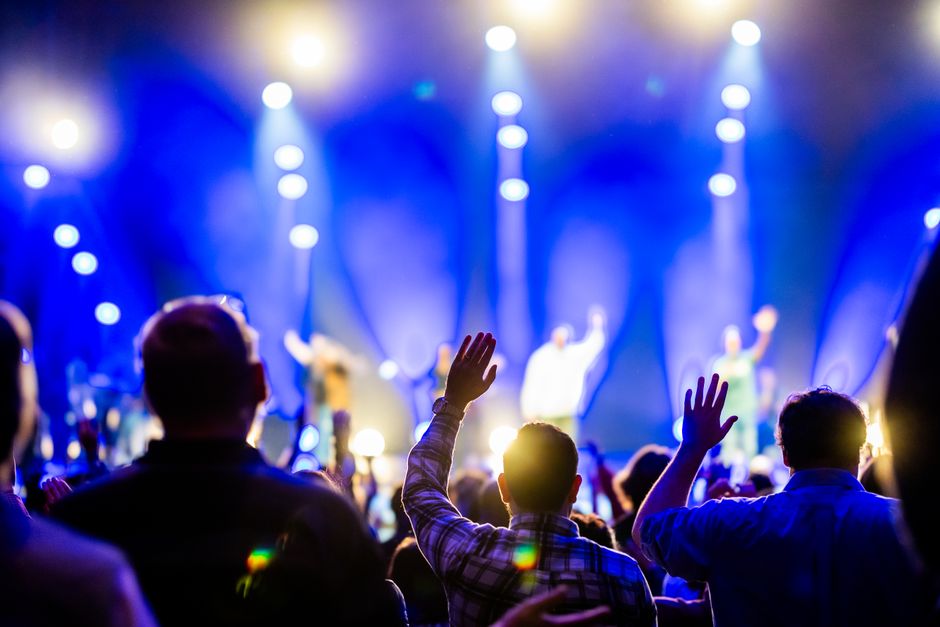
Knowing the pitfalls of hearing protection at concerts is half the plan. Most of the work happens before you leave home. Let's look at what makes hearing protection at concerts work, and what you can skip.
Leaving it too late
The key point is that position helps too. Standing directly in front of a speaker stack gives you the loudest sound of all, so move a few steps to the side or toward the back, where the mix is usually better balanced anyway. Many venues place the sound engineer's booth in the middle of the room, which is generally a good spot for both clarity and comfort.
If you remember one thing, let it be that the weather decides more than the line-up.
Packing too much
Take short breaks. Step outside or to a quieter area between acts to give your ears a rest, and avoid putting headphones at high volume right after a loud show. Keep a spare pair of plugs in your bag, since they are easy to lose. Children and teenagers can wear earmuffs designed for kids, which are widely sold and easy to adjust.
Small details like a spare bag for wet clothes make a big difference.
Ignoring the weather
On a day-to-day level, if your ears ring after a show or sounds seem muffled, pay attention and give yourself quiet time. Some venues and festivals hand out free plugs or sell them at the merchandise table, so ask. Wearing protection is a normal, sensible habit among musicians, sound crews and long-time fans. This is general guidance, not medical advice, and anyone with concerns should talk to a qualified professional.
Skipping the details
The key point is that live music is loud on purpose, and sound levels near the speakers can be much higher than in everyday life. A straightforward, practical step is to wear earplugs designed for concerts. These lower volume evenly across the range of sound, so music still sounds clear but not as harsh. Compared with plain foam plugs, which muffle the sound, music-style plugs keep voices and instruments natural.
It helps to agree on a meeting point before phones run out of battery.
How to recover
On a day-to-day level, choose the right type. Reusable silicone or filtered plugs are inexpensive, comfortable and come with a modest carrying case. Foam plugs are cheap and widely available, though they dull the sound more. Fit matters, so follow the instructions on the packaging, roll foam plugs thin and insert them with a gentle pull on the ear to open the canal. Test them at home before the show.
Small details like a spare bag for wet clothes make a big difference.
Practical tips
Some practical points to keep in mind:
- Take your rubbish home or use the recycling points.
- Take a reusable bottle if the event allows it.
- Carry a small power bank for your phone.
- Bring earplugs made for concerts.
The bottom line
Keep it simple, stay flexible, and enjoy the music. The best festival is the one you enjoy from start to finish. Start with the basics and build from there.
Frequently asked questions
How far ahead should I plan?
A few weeks is enough for most events. Tickets, travel and camping spots are the things to sort first.
Can I bring kids?
Many events welcome families. Check the age rules and look for family camping areas and quieter zones.
Is it fine to go alone?
Yes. Many people go to events solo. Share your plans with someone at home and keep your phone charged.
What if the weather turns bad?
Pack a light rain jacket and a spare set of dry clothes. Most events go ahead in rain, so plan to enjoy it anyway.