 Groove
 Leave No Trace At Music Festivals: A Simple, Practical Guide
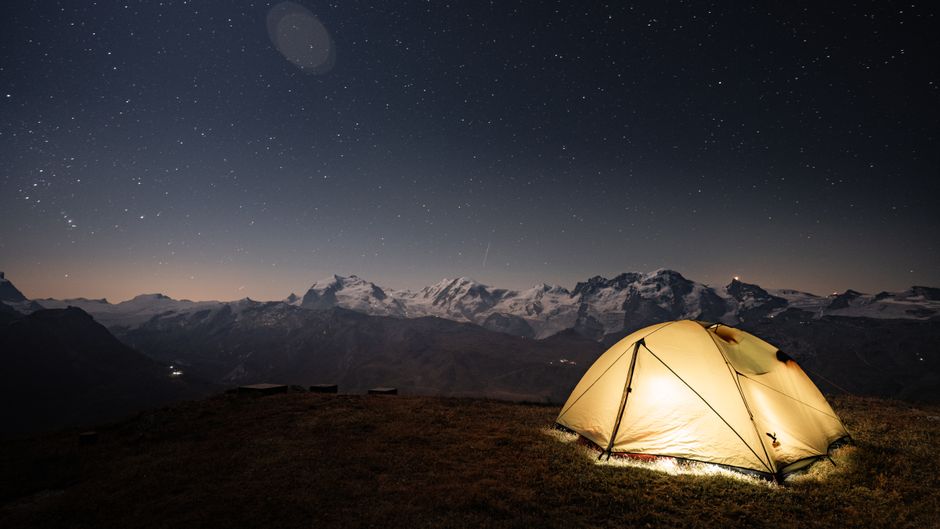
Leave no trace at festivals is about the experience, and a few habits make it better. A little planning leaves more time for the music. Let's look at what makes leave no trace at festivals work, and what you can skip.
Setting your plan
On a day-to-day level, protect the land and its wildlife. Stay on paths, avoid trampling plants and keep away from sensitive areas such as streams, young trees and marked fields. Use designated toilets and wash stations, and never pour soap or cooking water into the ground or a waterway. Keep food stored so animals are not attracted to the camp, and do not feed wildlife.
Finding the best spot
Be considerate of the people who live nearby and the volunteers who clean up. Keep noise low during quiet hours, drive slowly through local roads and park where directed. Take your tent, poles and stakes with you, and thank the cleanup crew when you see them. Sharing these habits with friends spreads the culture of care, so the festival and its land can welcome visitors for many years.
Leaving your space as clean as you found it keeps events welcome everywhere.
Pacing yourself
Leave No Trace is a set of easy principles for outdoor spaces, and they fit festivals well. The core idea is to leave a site as clean as you found it, or cleaner. A festival field can hold thousands of many people for several days, so minor habits add up to a large difference in how the land looks and feels once everyone has gone home.
None of this needs to be perfect; every event is a little different.
Meeting new people
Start by planning ahead. Bring fewer disposable items, choose reusable plates, cups and a refillable water bottle, and pack food in containers instead of single-use packaging. Many festivals publish a list of what is allowed, and some ban glitter, confetti and certain plastics. Avoid buying a cheap tent or chair you plan to discard, because abandoned gear is a major source of waste.
Capturing the moment
Worth keeping in mind: handle your trash with care. Use the marked bins, separate recycling and compost where offered, and keep a small bag at your campsite for loose waste. Secure lightweight items so wind does not carry them away, and pick up minor pieces such as bottle caps and cigarette ends. Do a final walk around your site and a few steps beyond it before leaving.
If you remember one thing, let it be that the weather decides more than the line-up.
Practical tips
Some practical points to keep in mind:
- Bring earplugs made for concerts.
- Take your rubbish home or use the recycling points.
- Carry a small power bank for your phone.
- Agree on a meeting point with your group.
The bottom line
None of this needs to be perfect. Take it one event at a time. Each one teaches you what you really need to bring.
Frequently asked questions
Can I bring kids?
Many events welcome families. Check the age rules and look for family camping areas and quieter zones.
How far ahead should I plan?
A few weeks is enough for most events. Tickets, travel and camping spots are the things to sort first.
Is it fine to go alone?
Yes. Many people go to events solo. Share your plans with someone at home and keep your phone charged.
What if the weather turns bad?
Pack a light rain jacket and a spare set of dry clothes. Most events go ahead in rain, so plan to enjoy it anyway.