 Groove
 Setting Up A Festival Campsite That Works: Questions Worth Asking
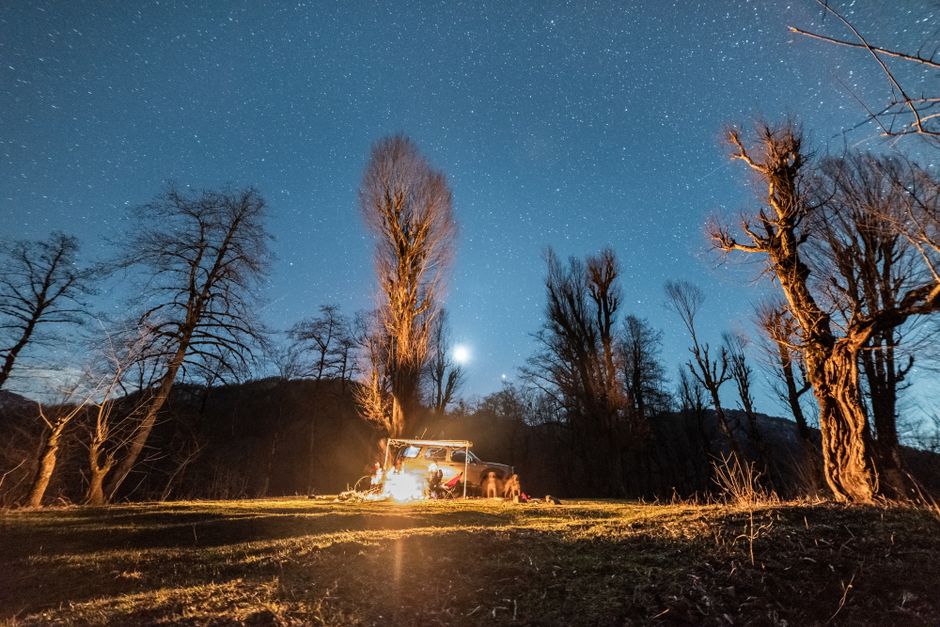
This step-by-step take on a festival campsite keeps things simple. The aim is to keep things simple and stress-free. Below, we walk through a festival campsite step by step.
Before you go
Respect your neighbors by keeping the layout compact and your lines short. Tent ropes stretched across walkways cause trips and arguments. Keep music at a polite level in the camping area, especially late at night, and follow all fire and stove rules posted by the organizers. Many sites ban open flames altogether.
The goal is a plan you can repeat easily, not a perfect one-off.
Step by step
Plan for sleep. A foam pad or air mattress, a sleeping bag rated for the lowest expected night temperature and a small pillow make a large difference. Earplugs and an eye mask assist when the site is bright and loud. Before leaving each morning, close all zippers and tidy loose items so wind, dust and rain cannot get inside.
What to check
It helps to remember that a good campsite starts with arriving early. Gates and parking areas get crowded, and the best ground, with a gentle slope, some shade and a reasonable distance from toilets and stage noise, goes quickly. Walk the area before you unpack. Look for flat spots, avoid low dips where water collects, and keep clear of main paths, generators and the loudest sound systems if you want real sleep.
It helps to agree on a meeting point before phones run out of battery.
On the day
On a day-to-day level, put up the tent first, before you spread out the rest of your gear. Clear the ground of sharp stones and sticks, then lay a groundsheet or footprint under the tent floor, tucked in so it does not stick out and funnel rain beneath you. Stake every corner, attach all guy lines and test the zipper. A tent that is solid at noon will matter at three in the morning.
None of this needs to be perfect; every event is a little different.
Afterwards
Worth keeping in mind: organize the camp so it is easy to find things in the dark. Keep a headlamp or modest lantern in a fixed pocket, store shoes in a bag just inside the door and put valuables out of sight. A simple tarp or shade canopy gives you a place to sit during the day. Mark your tent with a flag or bright ribbon so you can spot it among identical ones.
If you remember one thing, let it be that the weather decides more than the line-up.
Practical tips
A few simple things tend to help:
- Pack layers; nights outdoors get cold quickly.
- Bring earplugs made for concerts.
- Check the event's official rules before you pack.
- Take your rubbish home or use the recycling points.
The bottom line
Take it one event at a time. None of this needs to be perfect. A simple plan and good company go a long way.
Frequently asked questions
What if the weather turns bad?
Pack a light rain jacket and a spare set of dry clothes. Most events go ahead in rain, so plan to enjoy it anyway.
Is it fine to go alone?
Yes. Many people go to events solo. Share your plans with someone at home and keep your phone charged.
Do I need special gear?
Not really. For a festival campsite, comfortable shoes, layers and a good bag matter more than expensive equipment.
Can I bring kids?
Many events welcome families. Check the age rules and look for family camping areas and quieter zones.