 Groove
 Getting The Most From A Live Show: What to Try First
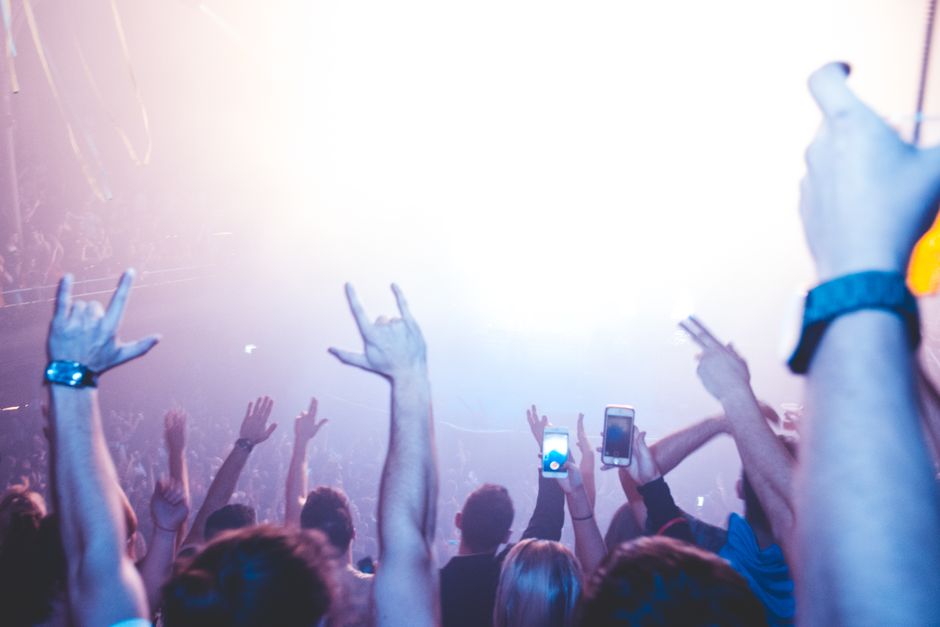
When live shows goes badly, the reason is usually easy to avoid next time. None of it needs expensive gear. Below, we walk through live shows step by step.
Leaving it too late
Be present. A few photos or a short clip are fine, but holding up a phone through the whole show blocks other many people's view and takes you out of the moment. Try putting the phone away for a full song or two and notice how different it feels. The memory you build in the room usually lasts longer than a shaky recording.
Packing too much
It helps to remember that pay attention to the performers, not only the hits. Watch how the band communicates, how a drummer locks in with a bass player, or how a singer changes a song's mood with a quiet pause. Live music is full of small improvisations that never appear on a recording. Clapping, singing along when invited and cheering between songs all support create an exchange between stage and audience.
Leaving your space as clean as you found it keeps events welcome everywhere.
Ignoring the weather
The key point is that afterward, keep the energy going. Support the artist by visiting the merchandise table, signing up for the mailing list or sharing a kind word online. Write down the songs you loved while you remember them. If a setlist is posted, add it to a playlist. A good show does not have to end when the lights come up.
The practical takeaway is to check the official event information before you pack anything.
Skipping the details
A great live show begins before the first note. Listen to the artist's recent music in the week leading up, especially any new releases, so familiar songs feel like old friends and new ones do not feel like noise. Read the venue information, learn the doors time and the start time, and note that the opening act often goes on an hour or more before the headliner.
Small details like a spare bag for wet clothes make a big difference.
How to recover
Put simply, arrive early enough to settle in. Getting there for the opening act gives you a better spot, shorter lines and a chance to discover new music. Pick a position that suits you: close to the stage for energy, farther back for clearer sound and space to move. Many many people find the area near the sound booth gives the best mix.
Good company and a relaxed pace do most of the work for you.
Practical tips
Some practical points to keep in mind:
- Take your rubbish home or use the recycling points.
- Take a reusable bottle if the event allows it.
- Bring earplugs made for concerts.
- Agree on a meeting point with your group.
The bottom line
Take it one event at a time. Keep it simple, stay flexible, and enjoy the music. That is really all it takes.
Frequently asked questions
Do I need special gear?
Not really. For live shows, comfortable shoes, layers and a good bag matter more than expensive equipment.
How far ahead should I plan?
A few weeks is enough for most events. Tickets, travel and camping spots are the things to sort first.
Is it fine to go alone?
Yes. Many people go to events solo. Share your plans with someone at home and keep your phone charged.
What if the weather turns bad?
Pack a light rain jacket and a spare set of dry clothes. Most events go ahead in rain, so plan to enjoy it anyway.