 Groove
Concert Etiquette Everyone Appreciates: Common Mistakes to Avoid
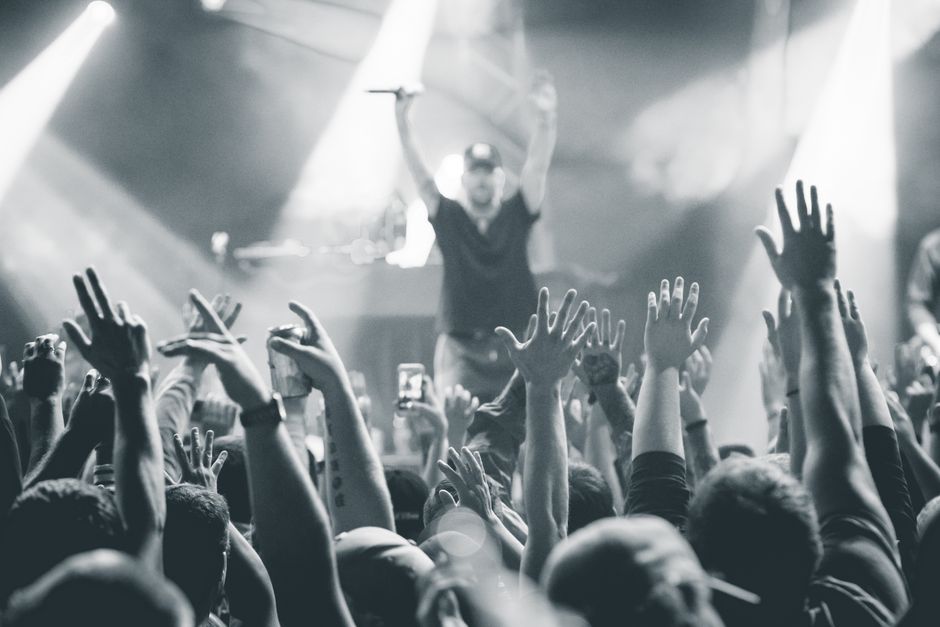
Concert etiquette is easier to get right once you know a few basics. The aim is to keep things simple and stress-free. Let's look at what makes concert etiquette work, and what you can skip.
Why it matters
Put simply, respect personal space. Dancing and singing are encouraged, but sharing the room means not swinging arms or elbows into the person next to you. In packed areas, be aware of those who may need more room, such as people with children or mobility needs. If someone asks you to move or give them space, do it with a smile, not an argument.
The basics
The key point is that keep conversation to a sensible level. Talking loudly through a quiet song is one of the most common complaints from other audience members and from musicians. If you need to chat, step toward the back or to a lobby area. Be kind to staff, security and volunteers, who work long hours to keep the event running safely.
If you remember one thing, let it be that the weather decides more than the line-up.
What to plan first
Leave things better than you found them. Throw trash in bins, clear your cup, and stay calm during exits. If you see someone struggling or hurt, tell a staff member right away. Clapping at the end, thanking the performers and heading home with a good attitude are part of the shared tradition. Courtesy makes the night better for everyone in the room.
None of this needs to be perfect; every event is a little different.
Step by step
Good concert manners come down to one idea: share the space. Arrive on time, keep your belongings compact and avoid pushing past people to move forward. If you want a spot closer to the stage, ask politely and move through gaps slowly. Most people are glad to let you pass if you are patient and say a simple "excuse me."
Small things that help
Think about sight lines. Tall hats, raised phones and large banners block the view for those behind you. If you want to record a song, hold your phone low and keep it brief. Bright screens are distracting in the dark, so dim the brightness. Some artists ask for no photography at certain moments, and that request should be followed.
None of this needs to be perfect; every event is a little different.
Practical tips
Here are a few easy places to start:
- Carry a small power bank for your phone.
- Label your tent and gear with your name.
- Take a reusable bottle if the event allows it.
- Take your rubbish home or use the recycling points.
The bottom line
Take it one event at a time. None of this needs to be perfect. A simple plan and good company go a long way.
Frequently asked questions
Do I need special gear?
Not really. For concert etiquette, comfortable shoes, layers and a good bag matter more than expensive equipment.
Is it fine to go alone?
Yes. Many people go to events solo. Share your plans with someone at home and keep your phone charged.
How far ahead should I plan?
A few weeks is enough for most events. Tickets, travel and camping spots are the things to sort first.
What if the weather turns bad?
Pack a light rain jacket and a spare set of dry clothes. Most events go ahead in rain, so plan to enjoy it anyway.