 Groove
 A Short History Of Outdoor Music Festivals: The Short Version
Most of the savings on the history of outdoor music festivals come before you leave home. Most of the work happens before you leave home. Let's look at what makes the history of outdoor music festivals work, and what you can skip.
Where the money goes
Today festivals range from small local events to huge international productions. Many now focus on sustainability, accessibility and fair treatment of workers and artists. Despite the shifts, the heart is the same as it was centuries ago: most of us coming together to share music, dance and a sense of belonging. Learning this history aids newcomers see that every festival, large or minor, carries on a very old tradition.
Booking early
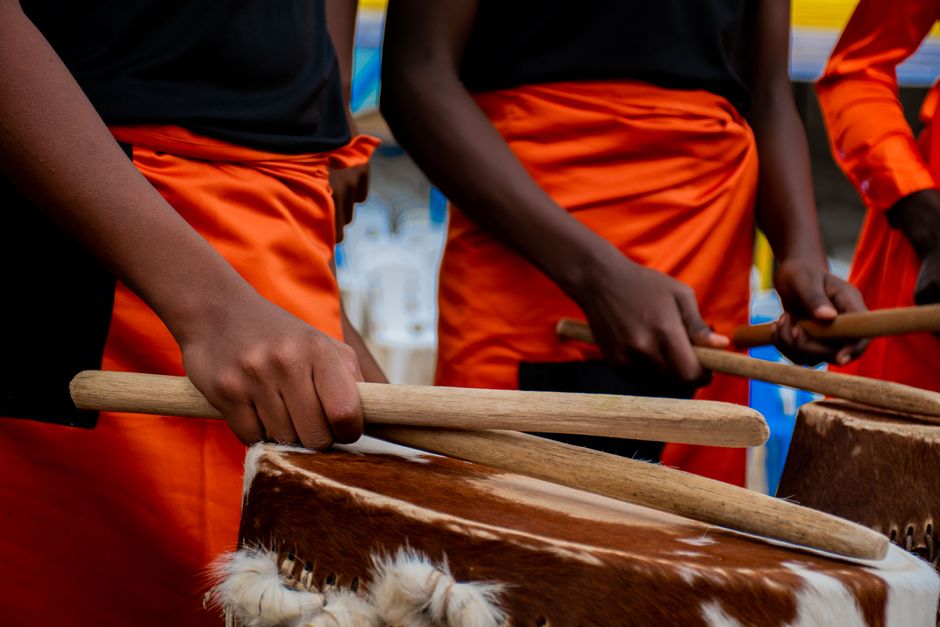
Gathering outdoors for music is one of the oldest traditions in human culture. Long before ticket sales, communities held seasonal celebrations, harvest gatherings and religious festivals that combined singing, drumming and dancing. In ancient Greece, music and poetry contests were part of larger festivals, and across many cultures, villages used community events to mark the changing of seasons and share stories through song.
The goal is a plan you can repeat easily, not a perfect one-off.
Gear you can borrow
In Europe, choral and folk gatherings grew in the 1700s and 1800s, often attached to churches or town fairs. Some of the first music festivals in a modern sense, with scheduled concerts and visiting performers, appeared in the early 1800s. Over the next century, festivals for classical music, folk songs and brass bands spread across the continent and North America, bringing audiences together in towns and parks.
Good company and a relaxed pace do most of the work for you.
Food and travel
Put simply, the 1950s and 1960s changed the scale. Jazz and folk festivals in outdoor settings drew crowds in the tens of thousands, and the arrival of rock and roll turned the open-air festival into a youth culture event. Large gatherings in fields became symbols of a generation, remembered for their music as well as for problems with weather, traffic, food and safety that organizers learned from.
Small details like a spare bag for wet clothes make a big difference.
Small costs that add up
Worth keeping in mind: following decades brought professional production. Organizers added better sound systems, multiple stages, camping areas, medical tents and safety planning. Festivals grew around specific genres, such as electronic dance, country, hip-hop and world music, and many began to feature art installations, workshops and food from local vendors. Technology like cashless wristbands and live streaming later reshaped how attendees and remote fans took part.
The practical takeaway is to check the official event information before you pack anything.
Practical tips
A few simple things tend to help:
- Check the event's official rules before you pack.
- Bring earplugs made for concerts.
- Agree on a meeting point with your group.
- Pack layers; nights outdoors get cold quickly.
The bottom line
None of this needs to be perfect. The best festival is the one you enjoy from start to finish. Start with the basics and build from there.
Frequently asked questions
What if the weather turns bad?
Pack a light rain jacket and a spare set of dry clothes. Most events go ahead in rain, so plan to enjoy it anyway.
How far ahead should I plan?
A few weeks is enough for most events. Tickets, travel and camping spots are the things to sort first.
Do I need special gear?
Not really. For the history of outdoor music festivals, comfortable shoes, layers and a good bag matter more than expensive equipment.
Can I bring kids?
Many events welcome families. Check the age rules and look for family camping areas and quieter zones.