 Groove
 A Short History Of Jazz And Blues
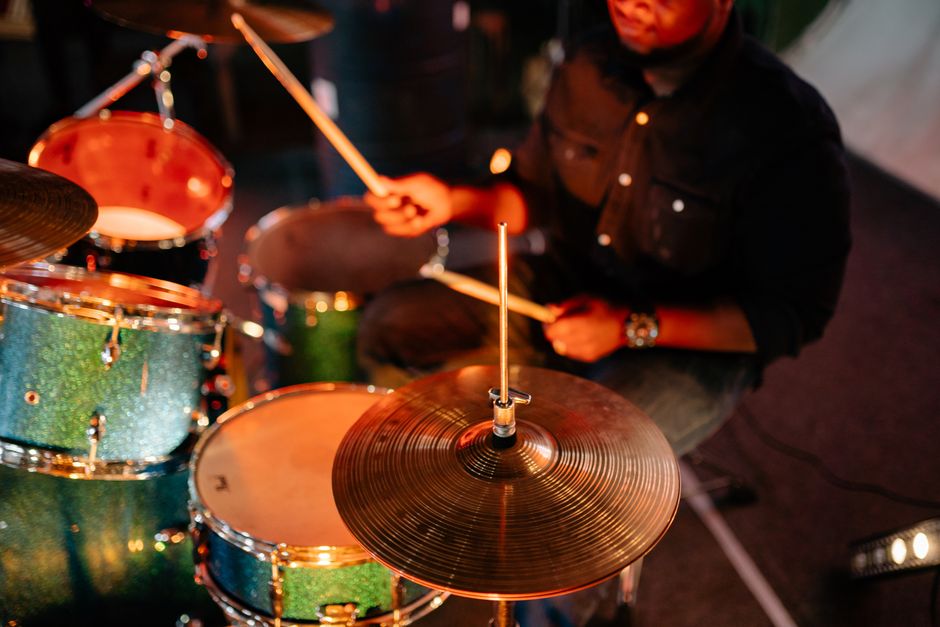
This step-by-step take on jazz and blues history keeps things simple. A little planning leaves more time for the music. Let's look at what makes jazz and blues history work, and what you can skip.
Before you go
Jazz developed in the early twentieth century in cities such as New Orleans, where brass bands, ragtime piano, blues and many other influences mixed together. Improvisation became its heart. Musicians took a tune and invented new melodies on the spot, responding to each other in real time. Early jazz was lively and made for dancing, with horns weaving lines over a steady rhythm.
The goal is a plan you can repeat easily, not a perfect one-off.
Step by step
Through the decades, jazz changed constantly. Swing in the 1930s and 1940s brought big bands and huge dance halls. Bebop followed, with faster tempos and complex harmonies played by minor groups for listeners. Later styles explored cool, relaxed sounds, modal improvisation, fusion with rock and funk, and many experiments that still shape music today.
What to check
Put simply, blues also traveled. As most of us moved north to cities such as Chicago, acoustic guitars gave way to electric ones, and the music grew louder and tougher. Blues rhythms and scales became part of rock and roll, soul and country, and the influence can be heard in nearly every popular style. Many festivals still dedicate stages to both traditions.
On the day
More often than not, a good way to start listening is with a short playlist. Choose a few classic recordings from each era, listen for the call and response between voice and instruments, and notice when a soloist takes a turn. Then go to a live show if you can, because jazz and blues were meant to be experienced in a room, with the musicians and the audience feeding each other.
Good company and a relaxed pace do most of the work for you.
Afterwards
Blues and jazz are two of the foundations of modern American music, and both grew from the experiences of African American communities in the American South. Blues emerged in the late nineteenth century, built on work songs, spirituals and field hollers. Its core is a straightforward, powerful form, frequently twelve bars long, with expressive singing, bent notes and lyrics that speak about hardship, love and resilience.
None of this needs to be perfect; every event is a little different.
Practical tips
Here are a few easy places to start:
- Take your rubbish home or use the recycling points.
- Pack layers; nights outdoors get cold quickly.
- Check the event's official rules before you pack.
- Take a reusable bottle if the event allows it.
The bottom line
The best festival is the one you enjoy from start to finish. None of this needs to be perfect. A simple plan and good company go a long way.
Frequently asked questions
Do I need special gear?
Not really. For jazz and blues history, comfortable shoes, layers and a good bag matter more than expensive equipment.
How far ahead should I plan?
A few weeks is enough for most events. Tickets, travel and camping spots are the things to sort first.
What if the weather turns bad?
Pack a light rain jacket and a spare set of dry clothes. Most events go ahead in rain, so plan to enjoy it anyway.
Can I bring kids?
Many events welcome families. Check the age rules and look for family camping areas and quieter zones.