 Groove
 Winter And Indoor Festivals: What Not to Do
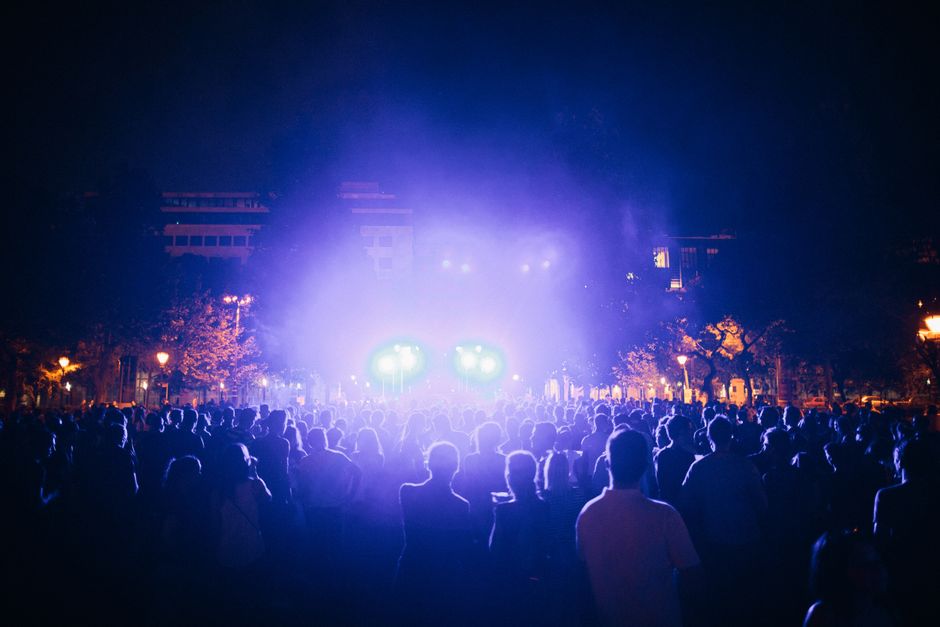
If winter and indoor festivals is new to you, start with the simplest version. None of it needs expensive gear. The rest of this article covers winter and indoor festivals in plain, practical terms.
Start here
More often than not, winter events also make travel and weather planning important. Check the forecast, look at road and transit updates before you go, and give yourself extra time. Buy tickets early because many indoor spaces have fixed capacity, and read the venue's rules about bags and re-entry. A warm, well planned night out can be as memorable as any summer field.
The practical takeaway is to check the official event information before you pack anything.
What you need
Not every great music festival happens in a summer field. Winter and indoor events fill theaters, convention halls, ski lodges, old warehouses and city clubs with music from late autumn to early spring. They suit many people who like a closer view of the stage, shorter travel and the comfort of a real bathroom, and they give music fans something to look forward to when the weather is cold.
Your first time
Worth keeping in mind: dress in layers, even for an indoor event. You may spend time outside waiting in line, walking between venues or standing in a courtyard between sets, and then move into a warm, crowded room. A coat that is easy to carry, a light sweater or shirt underneath and comfortable shoes with grip for icy sidewalks make the day easier. Many venues have a coat check, which is worth the small fee.
Small details like a spare bag for wet clothes make a big difference.
What to expect
Multi-venue festivals in a city, sometimes called club crawls or wristband events, let you move between small rooms in a single evening. Study the map and the walking distances beforehand, and leave time for transitions. A popular set in a small room can fill quickly, so arrive early for acts you care most about and stay flexible with the rest.
Easy upgrades
Indoor sound is different from outdoor sound. Walls and ceilings reflect the music, which can make it louder and more intense in the center of a room. Standing a little off to the side often gives clearer sound. Earplugs designed for music lower the volume evenly, and they are small enough to keep in any coat pocket.
The goal is a plan you can repeat easily, not a perfect one-off.
Practical tips
Here are a few easy places to start:
- Carry a small power bank for your phone.
- Pack layers; nights outdoors get cold quickly.
- Take a reusable bottle if the event allows it.
- Bring earplugs made for concerts.
The bottom line
Take it one event at a time. Keep it simple, stay flexible, and enjoy the music. That is really all it takes.
Frequently asked questions
What if the weather turns bad?
Pack a light rain jacket and a spare set of dry clothes. Most events go ahead in rain, so plan to enjoy it anyway.
Can I bring kids?
Many events welcome families. Check the age rules and look for family camping areas and quieter zones.
How far ahead should I plan?
A few weeks is enough for most events. Tickets, travel and camping spots are the things to sort first.
Do I need special gear?
Not really. For winter and indoor festivals, comfortable shoes, layers and a good bag matter more than expensive equipment.