 Groove
 Volunteering At A Festival
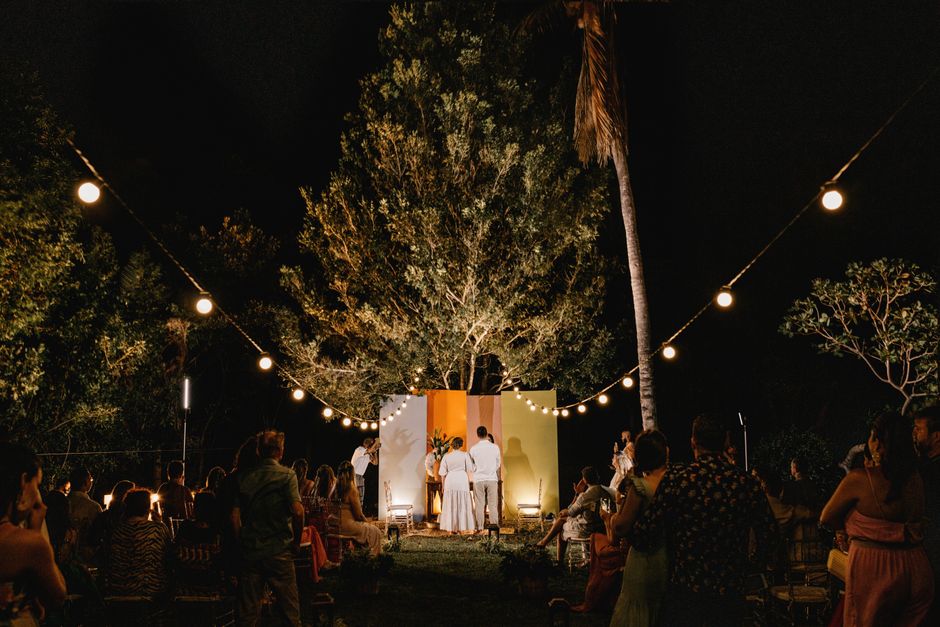
The weather can change festival volunteering completely, so plan for both sun and rain. The aim is to keep things simple and stress-free. Let's look at what makes festival volunteering work, and what you can skip.
Checking the forecast
On a day-to-day level, make the most of the experience. Most schedules leave time to enjoy the festival, so plan which acts you want to catch and confirm shift times accordingly. Be friendly and patient with guests, even when they ask the same question for the tenth time. Treat other volunteers, staff and performers with respect, and avoid sharing private information about artists or behind-the-scenes areas.
Small details like a spare bag for wet clothes make a big difference.
Ready for rain
Finally, remember that volunteering is a commitment. If you sign up, show up, and let the coordinator know as early as possible if plans change. After the event, send a short thank-you note or message and consider returning next year. Many long-time organizers began as first-time volunteers. It is a rewarding way to give back to your community while learning how a large event really works.
If you remember one thing, let it be that the weather decides more than the line-up.
Ready for heat
Volunteering is one of the best ways to experience a festival from the inside. Most events rely on helpers for tasks like greeting guests, checking tickets, directing parking, staffing information booths, assisting with recycling or supporting stage crews. In return, volunteers often receive free or discounted admission, meals or merchandise, along with the chance to meet people who share their love of music.
Wind and cold nights
In practice, start looking early. Many festivals post volunteer applications several months ahead, and popular roles fill quickly. Visit the official website and look for a "volunteer" or "get involved" page. Read the requirements for age, minimum shifts, training and what is provided. Fill out the application honestly, mention any relevant experience and be clear about your availability.
None of this needs to be perfect; every event is a little different.
Keeping gear dry
Expect real work. Shifts typically last four to eight hours, and you may stand outdoors in sun, wind or rain. Wear comfortable shoes, bring a water bottle, sunscreen and layers, and follow your team leader's instructions. Arrive on time for your briefing, because it explains safety rules, radio use and what to do in an emergency. Reliable volunteers are valued far more than flashy ones.
The goal is a plan you can repeat easily, not a perfect one-off.
Practical tips
Here are a few easy places to start:
- Label your tent and gear with your name.
- Take your rubbish home or use the recycling points.
- Take a reusable bottle if the event allows it.
- Bring earplugs made for concerts.
The bottom line
None of this needs to be perfect. Keep it simple, stay flexible, and enjoy the music. That is really all it takes.
Frequently asked questions
What if the weather turns bad?
Pack a light rain jacket and a spare set of dry clothes. Most events go ahead in rain, so plan to enjoy it anyway.
Do I need special gear?
Not really. For festival volunteering, comfortable shoes, layers and a good bag matter more than expensive equipment.
How far ahead should I plan?
A few weeks is enough for most events. Tickets, travel and camping spots are the things to sort first.
Is it fine to go alone?
Yes. Many people go to events solo. Share your plans with someone at home and keep your phone charged.