 Groove
Street Parties And Block Parties: Small Steps That Stick
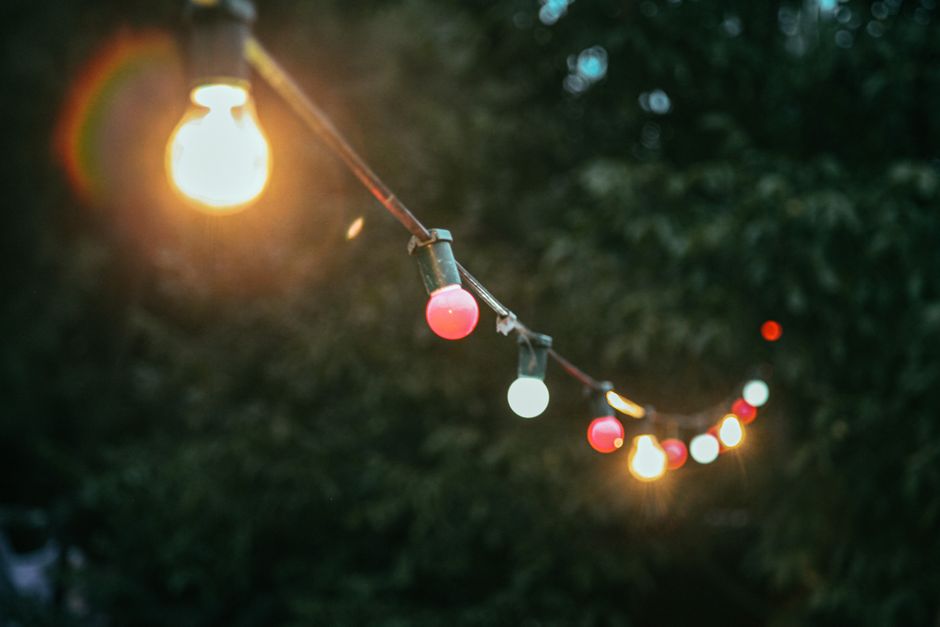
Rain, wind and heat all affect street parties and block parties in different ways. None of it needs expensive gear. The rest of this article covers street parties and block parties in plain, practical terms.
Checking the forecast
Plan the day in a easy way. Set a clear start and end time, designate areas for food, games and performances, and keep an open lane for emergency vehicles. Potluck tables are popular because everyone contributes and nobody carries the whole cost. Ask neighbors to bring folding tables, shade tents and extra chairs, and arrange a place for trash and recycling.
Good company and a relaxed pace do most of the work for you.
Ready for rain
In practice, music is the heart of the day. Invite local players, a school band or a neighbor with a good playlist. Keep the volume friendly enough that conversation is still possible, and respect the end time you promised. A short open mic, a dance lesson or a children's sing-along can give everyone a way to take part.
Ready for heat
Afterward, clean the street together, return borrowed items and thank everyone who helped. Collect email addresses or start a group chat so neighbors can stay in touch and plan the next gathering. Held once a year, a block party becomes a tradition, and the modest effort of organizing it gives the whole street a stronger sense of belonging.
None of this needs to be perfect; every event is a little different.
Wind and cold nights
Put simply, a block party is one of the simplest and most rewarding community events. A street is closed for a few hours, neighbors bring food and chairs, music plays and children run on the pavement. It costs little, builds friendships and makes a neighborhood feel like home. Many of the best local music scenes in cities began with someone setting up speakers in front of their house.
Keeping gear dry
The first step is permission. Most cities require a permit to close a street, and the process typically asks for a date, a map, a signature from nearby residents and sometimes insurance or barricades. Start several weeks ahead, talk with neighbors early, and ask your local government or neighborhood association what rules apply to amplified sound.
None of this needs to be perfect; every event is a little different.
Practical tips
Some practical points to keep in mind:
- Pack layers; nights outdoors get cold quickly.
- Bring earplugs made for concerts.
- Check the event's official rules before you pack.
- Take your rubbish home or use the recycling points.
The bottom line
None of this needs to be perfect. Take it one event at a time. Each one teaches you what you really need to bring.
Frequently asked questions
What if the weather turns bad?
Pack a light rain jacket and a spare set of dry clothes. Most events go ahead in rain, so plan to enjoy it anyway.
Do I need special gear?
Not really. For street parties and block parties, comfortable shoes, layers and a good bag matter more than expensive equipment.
Can I bring kids?
Many events welcome families. Check the age rules and look for family camping areas and quieter zones.
How far ahead should I plan?
A few weeks is enough for most events. Tickets, travel and camping spots are the things to sort first.