 Groove
 Salsa And Swing: First Steps On The Social Dance Floor: A Beginner's Guide
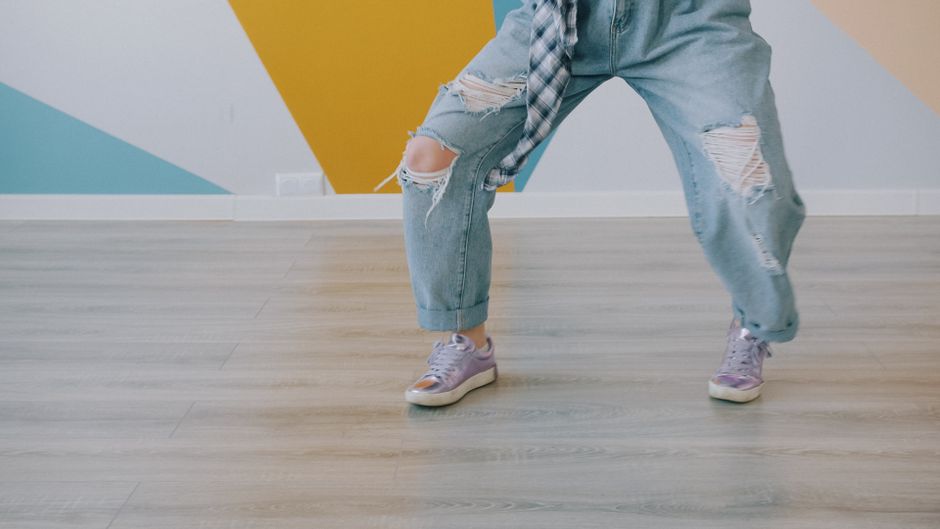
If salsa and swing: first steps on the social dance floor is new to you, start with the simplest version. Most of the work happens before you leave home. Below, we walk through salsa and swing: first steps on the social dance floor step by step.
Start here
The key point is that salsa and swing are both social partner dances, meant to be learned in a group and enjoyed with whoever is on the floor. Salsa grew from Afro-Caribbean music and developed in cities across the Americas, while swing came out of jazz-era ballrooms in the United States in the 1920s and 1930s. Each has its own rhythm, feel and community, but both welcome complete beginners.
If you remember one thing, let it be that the weather decides more than the line-up.
What you need
On a day-to-day level, salsa is usually danced to a count of eight, with steps on beats one, two and three, a pause on four, then steps on five, six and seven and another pause on eight. The basic step is a simple forward and back rock with weight shifts, and the hips move naturally as you shift. Start slow, keep your steps small and let the rhythm lead you.
None of this needs to be perfect; every event is a little different.
Your first time
On a day-to-day level, swing, especially the style called lindy hop, uses a relaxed, bouncy rhythm with a rock step and a triple step. The basic eight-count pattern includes two triple steps and two rock steps, danced with a springy, grounded feel. Bending the knees and staying loose make the moves comfortable. Many dancers say swing feels like playing, with lots of laughter and room to improvise.
What to expect
Take a beginner class. Most community studios and dance halls offer a lesson before a social dance, with a short teaching session followed by open dancing. Partners generally rotate, so you do not need to bring someone. Learn the basic step, how to lead or follow, and how to hold a connection without gripping. Clear, gentle signals work better than strength.
The practical takeaway is to check the official event information before you pack anything.
Easy upgrades
More often than not, social dance etiquette is straightforward. Ask politely, accept or decline with kindness and thank your partner afterward. Keep your moves sized to the floor, avoid sudden dips with strangers and apologize if you bump someone. Do not offer unrequested teaching in the middle of a dance. Dress comfortably, choose shoes with smooth soles that let you turn, and keep a modest towel or spare shirt in your bag.
Good company and a relaxed pace do most of the work for you.
Practical tips
In everyday terms, this can look like:
- Label your tent and gear with your name.
- Agree on a meeting point with your group.
- Carry a small power bank for your phone.
- Bring earplugs made for concerts.
The bottom line
The best festival is the one you enjoy from start to finish. Keep it simple, stay flexible, and enjoy the music. That is really all it takes.
Frequently asked questions
What if the weather turns bad?
Pack a light rain jacket and a spare set of dry clothes. Most events go ahead in rain, so plan to enjoy it anyway.
Do I need special gear?
Not really. For salsa and swing: first steps on the social dance floor, comfortable shoes, layers and a good bag matter more than expensive equipment.
Can I bring kids?
Many events welcome families. Check the age rules and look for family camping areas and quieter zones.
How far ahead should I plan?
A few weeks is enough for most events. Tickets, travel and camping spots are the things to sort first.