 Groove
 Organizing A Small Community Dance Or Concert
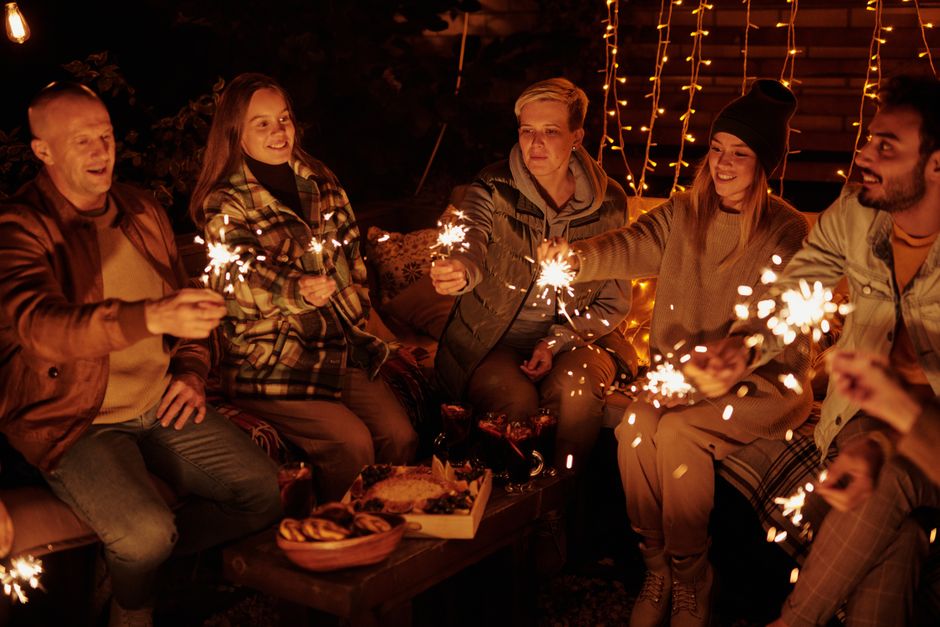
A little attention turns a small community dance or concert into something you will remember. None of it needs expensive gear. Below, we walk through a small community dance or concert step by step.
Setting your plan
The key point is that a small community event can be put together with a modest budget and a few motivated friends. Begin with a straightforward purpose, such as a neighborhood dance, a benefit concert for a local cause or an evening of live music in a park. A clear purpose makes it easier to choose a date, a size and a style, and to explain the event to others in a sentence.
Finding the best spot
Choose a venue that fits your crowd. Community halls, school gyms, parks, churches and local clubs are common options. Check capacity, rental cost, power supply, restrooms, parking and accessibility. Ask what permits or insurance are needed, since many places require a basic permit for public gatherings, amplified sound or street closures. Contact the venue manager or local authority early to learn the rules.
Pacing yourself
Book performers or a DJ and confirm details in writing, including start time, set length, fee, equipment and load-in time. Local musicians are frequently happy to play for a modest fee or for exposure, especially at community events. Decide who provides the sound system and microphones, and do a short sound check before guests arrive. A reliable volunteer for sound makes everything smoother.
Meeting new people
Spread the word with straightforward tools. Make a clear flyer with the date, time, location, price and a contact, then share it on community boards, local social groups and with neighbors. Ask local shops to post it, and invite friends to bring friends. If tickets are needed, use a straightforward online form or sell at the door. Keep prices fair so more many people can come.
The goal is a plan you can repeat easily, not a perfect one-off.
Capturing the moment
On the day, assign roles: someone at the entrance, someone for setup and cleanup, someone to greet performers and a point person for questions. Plan for safety with clear exits, a first aid kit, a list of local emergency numbers and a plan for bad weather. Afterward, thank volunteers, collect feedback and note what worked. Each event teaches lessons for the next.
Small details like a spare bag for wet clothes make a big difference.
Practical tips
In everyday terms, this can look like:
- Pack layers; nights outdoors get cold quickly.
- Carry a small power bank for your phone.
- Label your tent and gear with your name.
- Check the event's official rules before you pack.
The bottom line
The best festival is the one you enjoy from start to finish. Keep it simple, stay flexible, and enjoy the music. That is really all it takes.
Frequently asked questions
Do I need special gear?
Not really. For a small community dance or concert, comfortable shoes, layers and a good bag matter more than expensive equipment.
Is it fine to go alone?
Yes. Many people go to events solo. Share your plans with someone at home and keep your phone charged.
What if the weather turns bad?
Pack a light rain jacket and a spare set of dry clothes. Most events go ahead in rain, so plan to enjoy it anyway.
How far ahead should I plan?
A few weeks is enough for most events. Tickets, travel and camping spots are the things to sort first.