 Groove
 Making Your Personal Festival Schedule
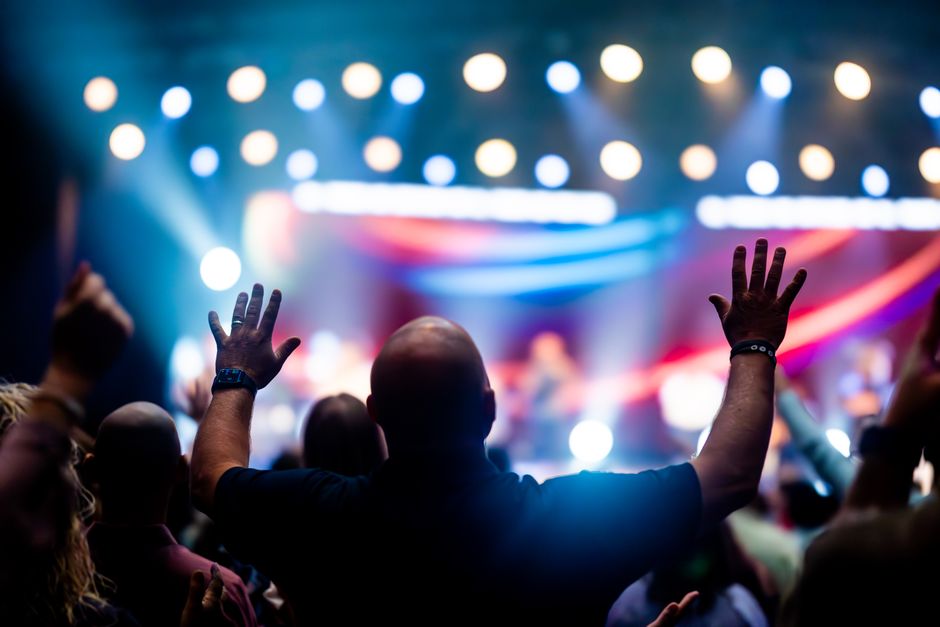
Most of the savings on a personal festival schedule come before you leave home. A little planning leaves more time for the music. Below, we walk through a personal festival schedule step by step.
Where the money goes
The key point is that a personal schedule turns a long list of performances into a weekend you will enjoy. Once the official lineup is released, listen to unfamiliar names for a few minutes each, and mark everything that interests you. Use a simple rating, such as must-see, would like to see, and happy to wander in. This gives you a clear order of priority before the conflicts begin.
The goal is a plan you can repeat easily, not a perfect one-off.
Booking early
Put simply, next, look for overlaps. Almost every festival has moments when two favorites play at the same time. Check the distance between stages and the time it takes to walk, which can be ten minutes or more at a large site. Sometimes the best answer is to see half of each set, leaving the first one early enough to reach the next while it is still warming up.
Small details like a spare bag for wet clothes make a big difference.
Gear you can borrow
Build in gaps. Eating, resting, charging a phone, using the restroom and talking with friends all take time, and a schedule packed minute by minute will fall apart by the second day. Leave an hour or two in the afternoon free, keep one slot open for an unplanned discovery and give yourself a plan for getting a meal before the evening headliners.
If you remember one thing, let it be that the weather decides more than the line-up.
Food and travel
Put simply, share the plan with your group, but be flexible about it. Some friends will want to go to different shows, and that is fine. Agree on a meeting spot and time for the end of the night, and exchange schedules so you know where everyone should be. A shared notes app or a screenshot of the timetable works well when signal is weak.
Small costs that add up
On a day-to-day level, finally, keep a paper copy or an offline screenshot. Batteries die and networks slow down in a crowd. Check the festival app or the signs each morning for adjustments. Then relax and follow your own energy. If a stage nearby sounds exciting, it is usually worth a visit, even if it was not on your list.
Small details like a spare bag for wet clothes make a big difference.
Practical tips
Some practical points to keep in mind:
- Take your rubbish home or use the recycling points.
- Agree on a meeting point with your group.
- Pack layers; nights outdoors get cold quickly.
- Bring earplugs made for concerts.
The bottom line
Take it one event at a time. Keep it simple, stay flexible, and enjoy the music. That is really all it takes.
Frequently asked questions
Do I need special gear?
Not really. For a personal festival schedule, comfortable shoes, layers and a good bag matter more than expensive equipment.
What if the weather turns bad?
Pack a light rain jacket and a spare set of dry clothes. Most events go ahead in rain, so plan to enjoy it anyway.
Is it fine to go alone?
Yes. Many people go to events solo. Share your plans with someone at home and keep your phone charged.
Can I bring kids?
Many events welcome families. Check the age rules and look for family camping areas and quieter zones.