 Groove
 Learning A Partner Dance
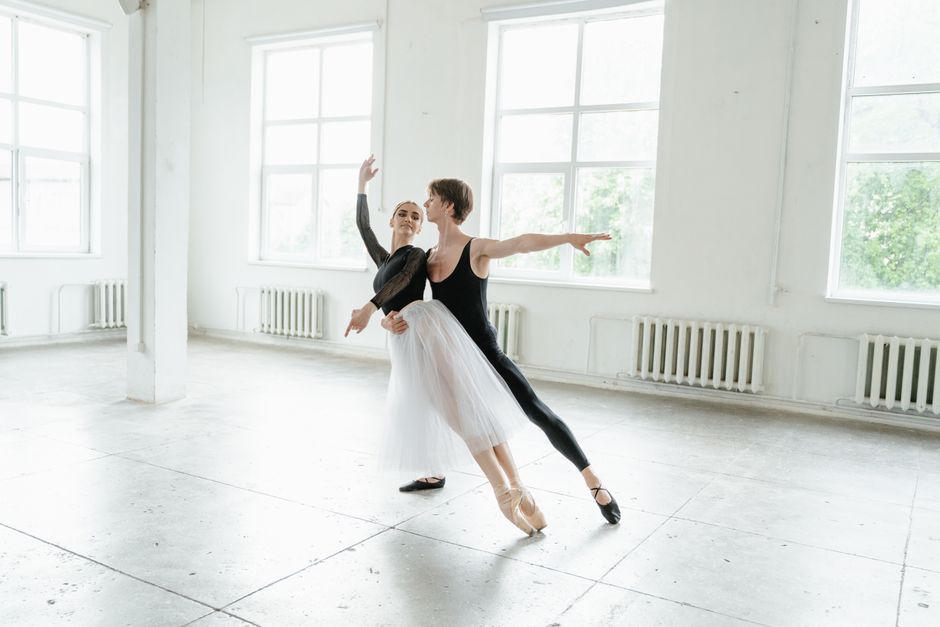
Doing partner dancing as a group means splitting the jobs and agreeing on a plan. A little planning leaves more time for the music. The rest of this article covers partner dancing in plain, practical terms.
Getting everyone on board
Etiquette makes a difference. Ask politely, accept a refusal graciously, and thank your partner at the end of each dance. Keep your movements within the space you have so others on the floor stay safe. If something does not feel right, it is fine to say so. Most of all, smile and be patient with yourself, because progress comes from regular, joyful practice.
The practical takeaway is to check the official event information before you pack anything.
Splitting the jobs
Put simply, partner dancing is a conversation in movement. Two most of us share a rhythm, a connection and a set of steps, with one person traditionally leading and the other following, though roles can be switched or shared. Popular styles include swing, salsa, tango, waltz, two-step and many more. Each has its own music, posture and feel, so pick one that matches the music you love.
None of this needs to be perfect; every event is a little different.
Shared gear
Start with a beginner class or a community social dance that offers a lesson before the open dancing. A teacher will break down the basic step, the hold and the timing. Most classes rotate partners, which helps you learn to adapt to different most of us and avoids the pressure of finding the right match. Do not worry if you arrive alone.
None of this needs to be perfect; every event is a little different.
Meeting points
Put simply, posture and connection come before fancy moves. Stand tall with relaxed shoulders, keep your knees soft and use your whole body to communicate, not just your hands. A good lead gives clear, gentle signals. A good follow stays aware, responsive and balanced. Both partners are equal contributors, and a dance goes well when each pays attention to the other.
It helps to agree on a meeting point before phones run out of battery.
Keeping it fun
Worth keeping in mind: learn to count the beat. Most partner dances are built on patterns of counts, such as six counts for a basic swing step. Practice the footwork alone at home, in time with music, until it feels natural. Then add a partner. Slow practice builds more reliable habits than rushing through speed, and it keeps both dancers comfortable.
If you remember one thing, let it be that the weather decides more than the line-up.
Practical tips
Some practical points to keep in mind:
- Check the event's official rules before you pack.
- Carry a small power bank for your phone.
- Take a reusable bottle if the event allows it.
- Label your tent and gear with your name.
The bottom line
None of this needs to be perfect. Take it one event at a time. Each one teaches you what you really need to bring.
Frequently asked questions
Do I need special gear?
Not really. For partner dancing, comfortable shoes, layers and a good bag matter more than expensive equipment.
What if the weather turns bad?
Pack a light rain jacket and a spare set of dry clothes. Most events go ahead in rain, so plan to enjoy it anyway.
How far ahead should I plan?
A few weeks is enough for most events. Tickets, travel and camping spots are the things to sort first.
Can I bring kids?
Many events welcome families. Check the age rules and look for family camping areas and quieter zones.