 Groove
 Keeping Your Tent Safe In Rain And Wind: Questions Worth Asking
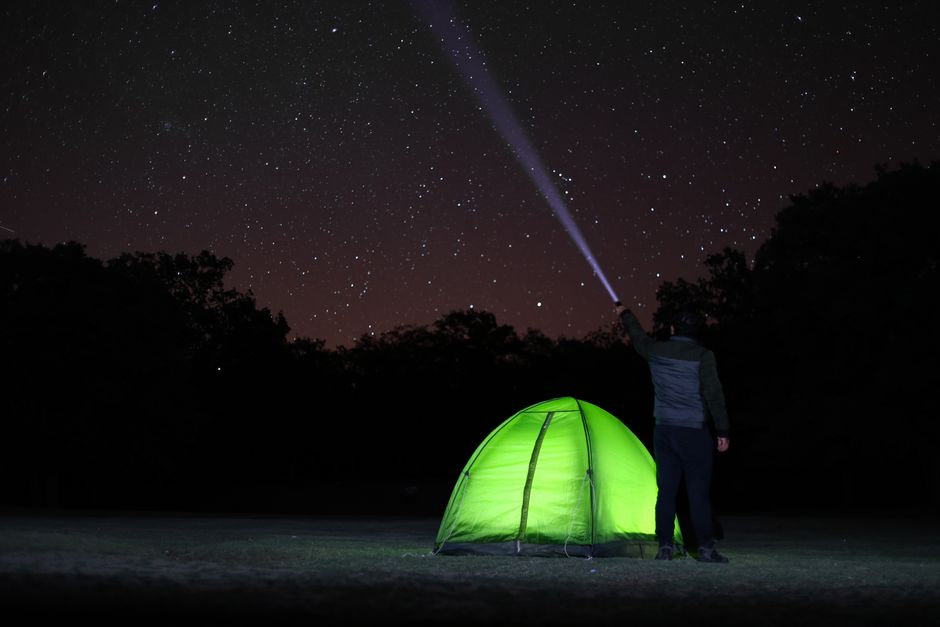
This step-by-step take on tent safety in bad weather keeps things simple. A little planning leaves more time for the music. Let's look at what makes tent safety in bad weather work, and what you can skip.
Before you go
Stake the tent firmly. Standard pegs frequently hold poorly in loose or soggy soil, so bring a few longer ones and push them in at an angle pointing away from the tent. Use every guy line, and tighten them evenly so the fabric stays taut. A tent with slack panels flaps in wind and wears out, while a taut one sheds both wind and rain more effectively.
Step by step
Keep water out from below as well as above. Make sure the rainfly reaches close to the ground and does not touch the inner tent, since contact lets moisture soak through. Tuck the groundsheet inside the footprint of the tent so rain cannot pool on it. Dig no trenches, as many sites forbid altering the ground, but do move gear away from low spots.
Leaving your space as clean as you found it keeps events welcome everywhere.
What to check
It helps to remember that manage the inside too. Store clothes and sleeping bags in waterproof bags or sealed plastic, and keep electronics high on a modest stuff sack. Leave a little ventilation open, even in wet weather, to ease condensation on the walls. Remove muddy shoes in the porch or vestibule so the sleeping area stays dry and clean.
Good company and a relaxed pace do most of the work for you.
On the day
If conditions turn severe, follow instructions from festival staff and move to designated shelters when asked. Do not hold onto tent poles in strong wind, and never shelter under tall isolated trees or near large metal structures during a storm. A tent can be replaced, but you cannot. Pack a spare tarp, extra cord and a small repair kit just in case.
It helps to agree on a meeting point before phones run out of battery.
Afterwards
In practice, rain and wind test a tent more than anything else at a festival, and most problems come from setup rather than the tent itself. Pitch with the lowest, narrowest side facing the wind and the door turned away from it. Choose ground slightly higher than its surroundings so water drains away. Check the weather forecast before you leave and again at the site, since conditions can change quickly in open fields.
Small details like a spare bag for wet clothes make a big difference.
Practical tips
A few simple things tend to help:
- Pack layers; nights outdoors get cold quickly.
- Bring earplugs made for concerts.
- Agree on a meeting point with your group.
- Carry a small power bank for your phone.
The bottom line
The best festival is the one you enjoy from start to finish. None of this needs to be perfect. A simple plan and good company go a long way.
Frequently asked questions
Is it fine to go alone?
Yes. Many people go to events solo. Share your plans with someone at home and keep your phone charged.
Can I bring kids?
Many events welcome families. Check the age rules and look for family camping areas and quieter zones.
How far ahead should I plan?
A few weeks is enough for most events. Tickets, travel and camping spots are the things to sort first.
What if the weather turns bad?
Pack a light rain jacket and a spare set of dry clothes. Most events go ahead in rain, so plan to enjoy it anyway.