 Groove
 House And Techno Basics For New Dancers: Step by Step
This step-by-step take on house and techno basics for new dancers keeps things simple. None of it needs expensive gear. Below, we walk through house and techno basics for new dancers step by step.
Before you go
More often than not, pay attention to the DJ. A skilled DJ blends one track into another so the beat never stops, and the transitions can last a minute or more. You do not need to know how it works to appreciate it, but watching hands on the equipment can be fun. Good DJs read the room and adjust, so your response on the floor is part of the conversation.
The goal is a plan you can repeat easily, not a perfect one-off.
Step by step
For a first visit, go with friends and arrive early, when the floor is less crowded and you can find your rhythm. Stay near the speakers only if you have ear protection, and take breaks to cool down. Etiquette is simple: respect personal space, do not film people without permission and keep the floor friendly. Dance floors are shared spaces built on mutual respect.
None of this needs to be perfect; every event is a little different.
What to check
Worth keeping in mind: house and techno both grew out of electronic dance music in American cities during the 1980s, and both are built on a steady four-on-the-floor beat, where the bass drum hits on every count. House tends to feel warmer and more soulful, with chords, vocals and groove at a tempo around 120 to 128 beats per minute. Techno is often darker and more driving, typically from 125 to 140.
On the day
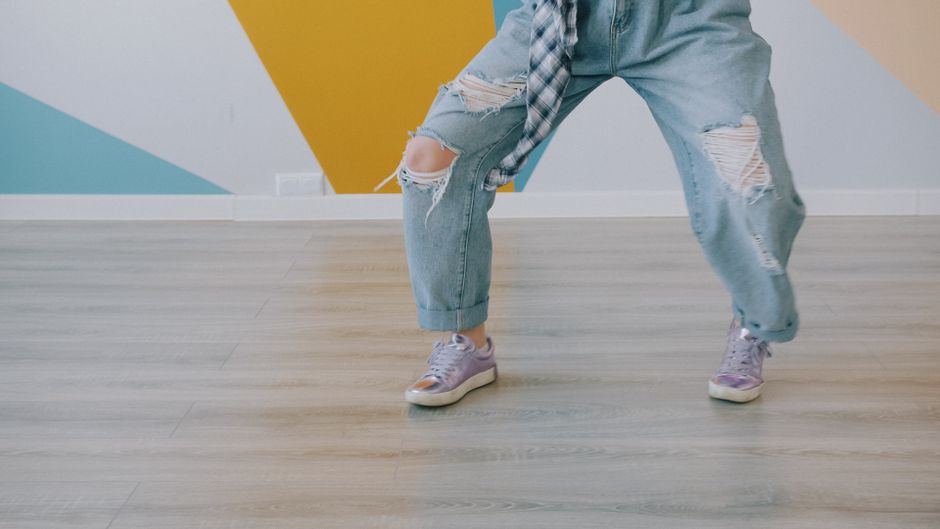
More often than not, the key skill for dancing to either style is finding the pulse and staying with it. Bend your knees slightly and let your weight drop on each kick drum. Once you feel the beat, add a second layer, such as a hand movement on the off-beat hi-hat or a gentle shoulder roll. Because tracks change slowly, you have time to settle into a groove.
None of this needs to be perfect; every event is a little different.
Afterwards
Listen for structure. These styles typically build in layers: a beat starts, then bass, percussion and melody enter, and later a section falls away before it returns. The moment when many elements drop out and then crash back in is called a breakdown and drop. Anticipating those changes lets you shift your dancing in time, which feels satisfying.
The goal is a plan you can repeat easily, not a perfect one-off.
Practical tips
Here are a few easy places to start:
- Agree on a meeting point with your group.
- Check the event's official rules before you pack.
- Label your tent and gear with your name.
- Take a reusable bottle if the event allows it.
The bottom line
Keep it simple, stay flexible, and enjoy the music. The best festival is the one you enjoy from start to finish. Start with the basics and build from there.
Frequently asked questions
Is it fine to go alone?
Yes. Many people go to events solo. Share your plans with someone at home and keep your phone charged.
Can I bring kids?
Many events welcome families. Check the age rules and look for family camping areas and quieter zones.
Do I need special gear?
Not really. For house and techno basics for new dancers, comfortable shoes, layers and a good bag matter more than expensive equipment.
What if the weather turns bad?
Pack a light rain jacket and a spare set of dry clothes. Most events go ahead in rain, so plan to enjoy it anyway.