 Groove
 Folk And World Dance Traditions: What Not to Do
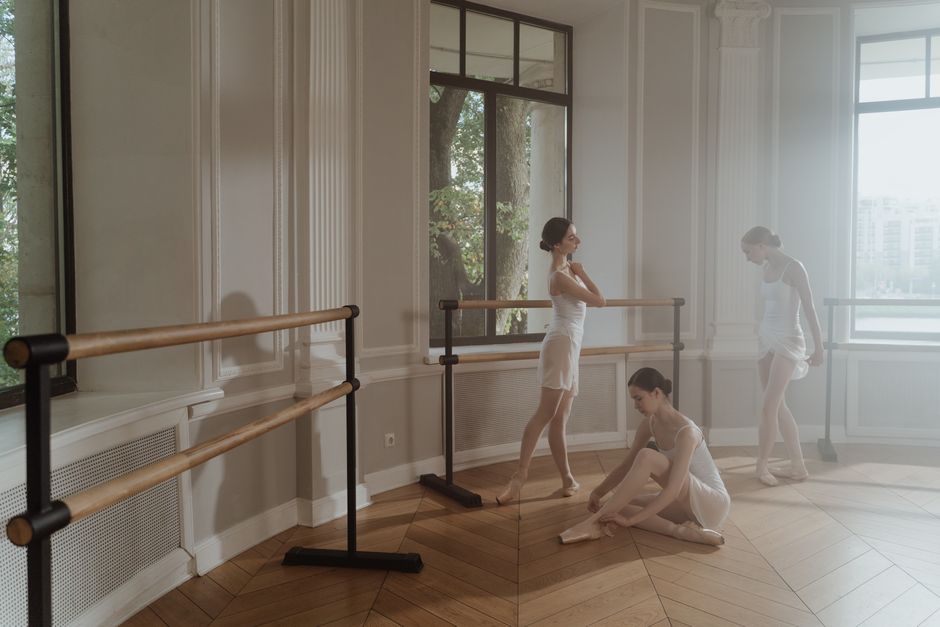
Folk and world dance traditions is more fun with friends, and a bit of shared planning helps. None of it needs expensive gear. Let's look at what makes folk and world dance traditions work, and what you can skip.
Getting everyone on board
Worth keeping in mind: other traditions center on couples or small sets. Square dancing and contra dancing in North America, with a caller who tells the dancers what move comes next, are good examples. Ceilidh and barn dances in the British Isles work similarly. Many Latin American, African, Middle Eastern and Asian styles have their own forms, with unique rhythms, instruments, costumes and meanings.
The goal is a plan you can repeat easily, not a perfect one-off.
Splitting the jobs
In practice, respect is central when exploring dances from cultures that are not your own. Learn where a dance comes from, what it means and how the community prefers it to be shared. Attend open workshops and festivals led by people from the tradition. Ask questions, listen to the answers and avoid treating sacred or ceremonial dances as costumes or entertainment.
It helps to agree on a meeting point before phones run out of battery.
Shared gear
Festivals are a perfect place to try new dances. Workshop tents, community stages and late-night gatherings often include live musicians and teachers. Wear comfortable shoes that suit the floor, bring water and be ready to laugh at your own mistakes. In a good dance community, everyone began as a beginner, and the warmest welcome usually goes to the person who simply steps in.
Good company and a relaxed pace do most of the work for you.
Meeting points
Folk dances are traditions passed down through families and communities, commonly tied to seasons, harvests, weddings and celebrations. They are not performances designed for a stage, though many have been adapted for one. They are social, made for groups to share. From line dances to circle dances, they teach us how people in different places have come together to move to music.
Keeping it fun
In practice, circle and line dances appear in many cultures. Many people hold hands or place hands on shoulders and move together, following steps that repeat in patterns. These dances are especially welcoming to beginners because the group carries you along. Watching the person next to you, and not worrying about getting each step perfect, is the best way to join in.
None of this needs to be perfect; every event is a little different.
Practical tips
A few simple things tend to help:
- Take a reusable bottle if the event allows it.
- Carry a small power bank for your phone.
- Check the event's official rules before you pack.
- Pack layers; nights outdoors get cold quickly.
The bottom line
Take it one event at a time. Keep it simple, stay flexible, and enjoy the music. That is really all it takes.
Frequently asked questions
What if the weather turns bad?
Pack a light rain jacket and a spare set of dry clothes. Most events go ahead in rain, so plan to enjoy it anyway.
Is it fine to go alone?
Yes. Many people go to events solo. Share your plans with someone at home and keep your phone charged.
How far ahead should I plan?
A few weeks is enough for most events. Tickets, travel and camping spots are the things to sort first.
Do I need special gear?
Not really. For folk and world dance traditions, comfortable shoes, layers and a good bag matter more than expensive equipment.