 Groove
 Drum And Bass For Beginners: A Time-Friendly Approach
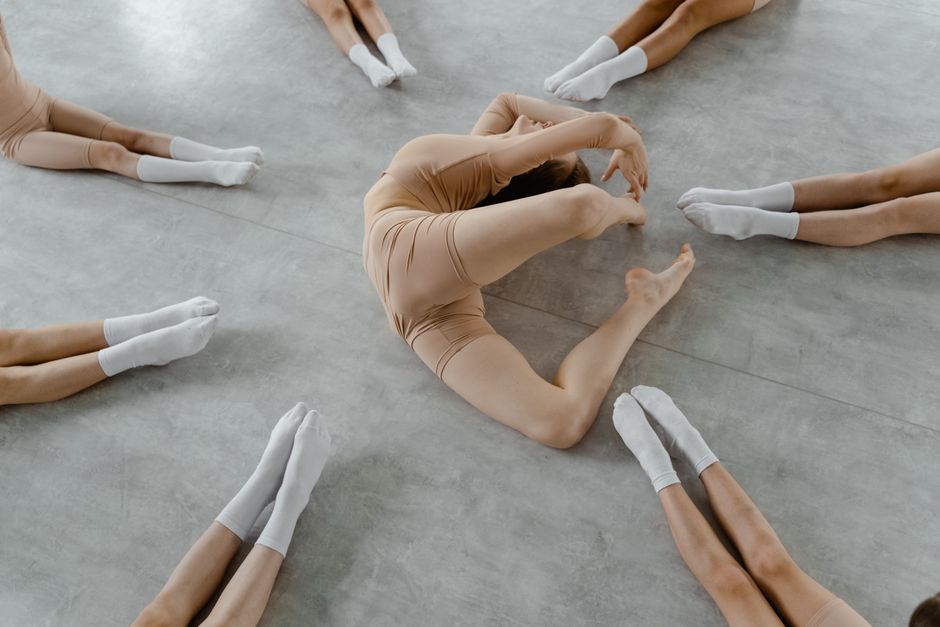
Doing drum and bass as a group means splitting the jobs and agreeing on a plan. Most of the work happens before you leave home. Below, we walk through drum and bass step by step.
Getting everyone on board
In practice, drum and bass is a fast, bass-heavy electronic style that began in the United Kingdom in the early 1990s. It generally runs at about 160 to 180 beats per minute, built on broken, syncopated drum patterns and deep, rolling basslines. The speed can sound intimidating, but most listeners find it easier to feel by moving to the slower half-time pulse rather than every drum hit.
If you remember one thing, let it be that the weather decides more than the line-up.
Splitting the jobs
The core of the sound is the "two-step" drum pattern, with a kick on the first beat and a snare on the third in each bar, surrounded by quick hi-hats and snare rolls. Count the bars slowly in your head, and you will notice the backbone beneath the busy rhythm. Dance to the slow pulse with a bounce in your knees, and let the fast patterns decorate it.
None of this needs to be perfect; every event is a little different.
Shared gear
It helps to remember that there are many branches. Some tracks are smooth and melodic, with jazzy keys and warm vocals. Others are darker and heavier, with growling bass tones and sharp edges. Listen to a range of tracks before an event so you know which flavors you enjoy. Playlists organized by mood or era are a good starting point, and most streaming services have them.
Meeting points
Worth keeping in mind: at a live night, bass is the main physical experience. Sub-bass can be felt in the chest and floor, and the volume is often high. Using earplugs made for music supports you hear clearly without the harsh edge. Stand a little away from the main speakers, bring water and wear comfortable shoes, since the floor can be sticky and the crowd bouncy.
The goal is a plan you can repeat easily, not a perfect one-off.
Keeping it fun
On a day-to-day level, dancers often use minor, quick movements, such as bouncing, shuffling and arm waves, rather than large steps. Do not worry about keeping up with every detail. Pick one rhythm and repeat it, then change when the music does. The scene has a friendly reputation, with fans welcoming newcomers who show respect for the music, the DJs and the most of us around them.
Leaving your space as clean as you found it keeps events welcome everywhere.
Practical tips
In everyday terms, this can look like:
- Agree on a meeting point with your group.
- Carry a small power bank for your phone.
- Take your rubbish home or use the recycling points.
- Label your tent and gear with your name.
The bottom line
Keep it simple, stay flexible, and enjoy the music. None of this needs to be perfect. A simple plan and good company go a long way.
Frequently asked questions
Is it fine to go alone?
Yes. Many people go to events solo. Share your plans with someone at home and keep your phone charged.
What if the weather turns bad?
Pack a light rain jacket and a spare set of dry clothes. Most events go ahead in rain, so plan to enjoy it anyway.
How far ahead should I plan?
A few weeks is enough for most events. Tickets, travel and camping spots are the things to sort first.
Do I need special gear?
Not really. For drum and bass, comfortable shoes, layers and a good bag matter more than expensive equipment.