 Groove
 Concert Etiquette Everyone Appreciates in Any Weather
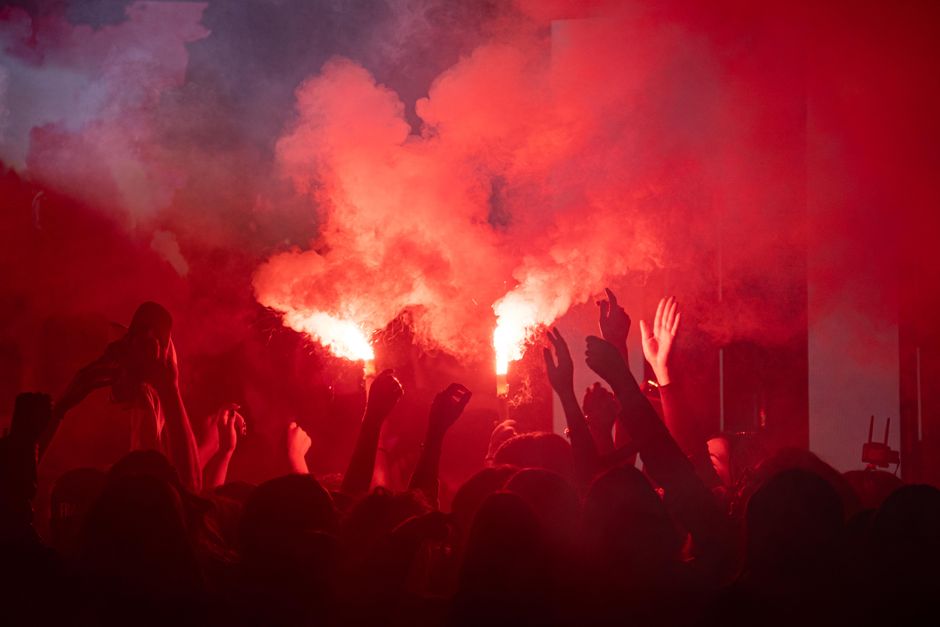
The weather can change concert etiquette everyone appreciates completely, so plan for both sun and rain. A little planning leaves more time for the music. The rest of this article covers concert etiquette everyone appreciates in plain, practical terms.
Checking the forecast
More often than not, leave things better than you found them. Throw trash in bins, clear your cup, and stay calm during exits. If you see someone struggling or hurt, tell a staff member right away. Clapping at the end, thanking the performers and heading home with a good attitude are part of the shared tradition. Courtesy makes the night better for everyone in the room.
It helps to agree on a meeting point before phones run out of battery.
Ready for rain
Put simply, good concert manners come down to one idea: share the space. Arrive on time, keep your belongings compact and avoid pushing past most of us to move forward. If you want a spot closer to the stage, ask politely and move through gaps slowly. Most people are glad to let you pass if you are patient and say a simple "excuse me."
Small details like a spare bag for wet clothes make a big difference.
Ready for heat
Think about sight lines. Tall hats, raised phones and large banners block the view for those behind you. If you want to record a song, hold your phone low and keep it brief. Bright screens are distracting in the dark, so dim the brightness. Some artists ask for no photography at certain moments, and that request should be followed.
Good company and a relaxed pace do most of the work for you.
Wind and cold nights
Respect personal space. Dancing and singing are encouraged, but sharing the room means not swinging arms or elbows into the person next to you. In packed areas, be aware of those who may need more room, such as people with children or mobility needs. If someone asks you to move or give them space, do it with a smile, not an argument.
Small details like a spare bag for wet clothes make a big difference.
Keeping gear dry
In practice, keep conversation to a sensible level. Talking loudly through a quiet song is one of the most common complaints from other audience members and from musicians. If you need to chat, step toward the back or to a lobby area. Be kind to staff, security and volunteers, who work long hours to keep the event running safely.
If you remember one thing, let it be that the weather decides more than the line-up.
Practical tips
Here are a few easy places to start:
- Bring earplugs made for concerts.
- Take your rubbish home or use the recycling points.
- Label your tent and gear with your name.
- Take a reusable bottle if the event allows it.
The bottom line
The best festival is the one you enjoy from start to finish. None of this needs to be perfect. A simple plan and good company go a long way.
Frequently asked questions
Can I bring kids?
Many events welcome families. Check the age rules and look for family camping areas and quieter zones.
Is it fine to go alone?
Yes. Many people go to events solo. Share your plans with someone at home and keep your phone charged.
Do I need special gear?
Not really. For concert etiquette everyone appreciates, comfortable shoes, layers and a good bag matter more than expensive equipment.
How far ahead should I plan?
A few weeks is enough for most events. Tickets, travel and camping spots are the things to sort first.