 Groove
 Camp Cooking Basics For A Music Weekend: A Second Look
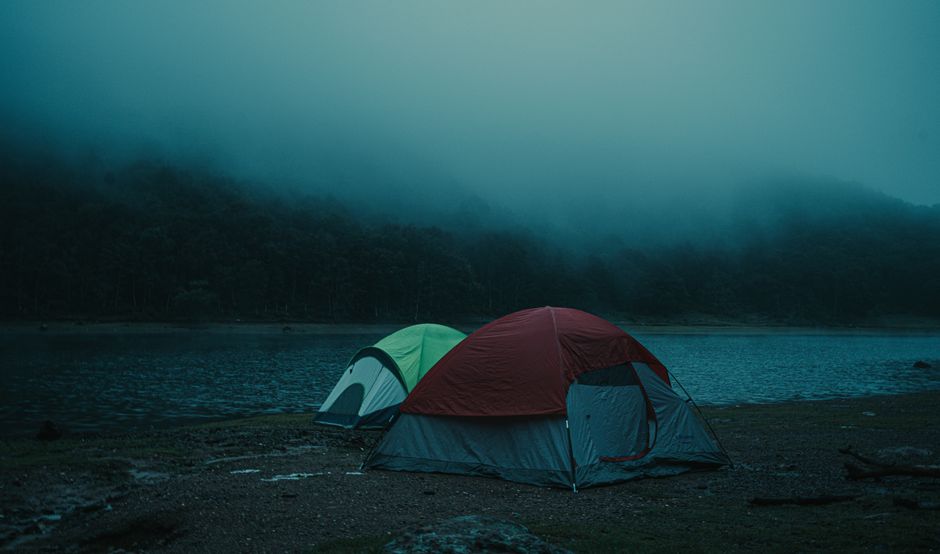
When camp cooking goes badly, the reason is usually easy to avoid next time. A little planning leaves more time for the music. Below, we walk through camp cooking step by step.
Leaving it too late
Good one-pot meals include chili, noodle dishes, foil packet dinners and scrambled eggs with vegetables. They use few dishes, they are forgiving if you lose track of time, and they can be shared among a group. A cast iron pan is heavy but it holds heat well and works for breakfast, grilled sandwiches and quick stir fries alike.
Good company and a relaxed pace do most of the work for you.
Packing too much
The key point is that set your stove on flat, level ground away from tents, tarps and dry grass, and keep a bucket of water or a fire extinguisher close by. Never leave a lit stove alone, and let it cool fully before you move it. Store fuel upright in a shaded spot, away from sleeping areas and the hot sun.
If you remember one thing, let it be that the weather decides more than the line-up.
Ignoring the weather
Cleanup is where good camp cooks stand out. Scrape plates into the trash, wash with a minor amount of biodegradable soap in a basin, and strain the water before disposing of it in the place the festival designates. Never pour greasy water onto the ground near other camps. A clean kitchen corner also keeps insects and animals away.
Small details like a spare bag for wet clothes make a big difference.
Skipping the details
In practice, camp cooking at a festival works best when it is straightforward. A single burner stove, one pot, one pan, a sharp knife with a sheath, a cutting board and a few utensils can handle nearly every meal on a weekend trip. Check the event rules first, because some sites ban open flames, certain fuel types or stoves in tents, and you do not want to find that out at the gate.
The practical takeaway is to check the official event information before you pack anything.
How to recover
Put simply, prep at home to save time on site. Chop onions and peppers, measure out spices into small bags, mix pancake batter in a bottle and pre-cook rice or pasta so it only needs warming. Each of these steps removes a messy task from your campsite and cuts the amount of water and cleanup you need when everyone is hungry.
Practical tips
Here are a few easy places to start:
- Check the event's official rules before you pack.
- Agree on a meeting point with your group.
- Carry a small power bank for your phone.
- Take a reusable bottle if the event allows it.
The bottom line
Take it one event at a time. None of this needs to be perfect. A simple plan and good company go a long way.
Frequently asked questions
How far ahead should I plan?
A few weeks is enough for most events. Tickets, travel and camping spots are the things to sort first.
What if the weather turns bad?
Pack a light rain jacket and a spare set of dry clothes. Most events go ahead in rain, so plan to enjoy it anyway.
Do I need special gear?
Not really. For camp cooking, comfortable shoes, layers and a good bag matter more than expensive equipment.
Can I bring kids?
Many events welcome families. Check the age rules and look for family camping areas and quieter zones.