 Groove
 Boutique Festivals Versus Big Festivals: The Short Version
Doing boutique and big festivals as a group means splitting the jobs and agreeing on a plan. None of it needs expensive gear. Let's look at what makes boutique and big festivals work, and what you can skip.
Getting everyone on board
Worth keeping in mind: think about what you want from the trip. If you love a particular genre and want to explore it deeply, a modest themed festival is hard to beat. If you want variety, spectacle and the thrill of a huge crowd singing together, a large one makes sense. Cost, travel time and camping style should also weigh in, because comfort frequently shapes the whole weekend.
Good company and a relaxed pace do most of the work for you.
Splitting the jobs
Wherever you go, go with curiosity. Read the festival's website, look at photos and videos from past years, and check the rules on camping, bags and re-entry. Many people enjoy trying one of each over several summers, and discover that the best parts of both worlds are the same: great music, kind most of us and a sense that you are all there together.
Leaving your space as clean as you found it keeps events welcome everywhere.
Shared gear
Put simply, a boutique festival is generally modest, frequently only a few hundred to a few thousand many people, with a focused theme, a single stage or two, and a close relationship between the organizers and the crowd. A big festival can bring tens of thousands to many stages, with famous headliners and large production. Neither is better. They simply offer different experiences, and knowing the difference helps you choose well.
Good company and a relaxed pace do most of the work for you.
Meeting points
At a small festival you can usually walk anywhere in a few minutes, see the performers up close, and meet the most of us who run the event. Lines are shorter, the atmosphere is relaxed, and artists often stay on site and join the crowd. Programs may include workshops, community meals, art installations and late-night jams, because the organizers can shape every detail.
Keeping it fun
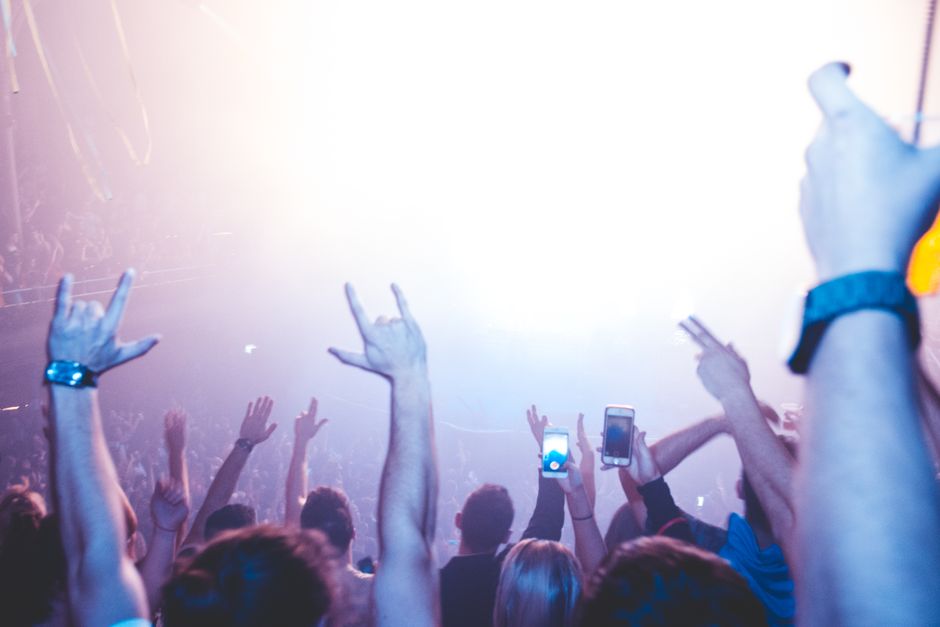
Big festivals offer scale. You can see many well-known acts in one weekend, move between stages with very different styles, and enjoy elaborate lighting, video screens and sound systems. The tradeoffs are crowds, longer walks, higher prices and more planning. Success depends on a good schedule, a reliable meeting point for your group and patience with lines.
The goal is a plan you can repeat easily, not a perfect one-off.
Practical tips
In everyday terms, this can look like:
- Check the event's official rules before you pack.
- Carry a small power bank for your phone.
- Take a reusable bottle if the event allows it.
- Bring earplugs made for concerts.
The bottom line
Keep it simple, stay flexible, and enjoy the music. None of this needs to be perfect. A simple plan and good company go a long way.
Frequently asked questions
Is it fine to go alone?
Yes. Many people go to events solo. Share your plans with someone at home and keep your phone charged.
How far ahead should I plan?
A few weeks is enough for most events. Tickets, travel and camping spots are the things to sort first.
Can I bring kids?
Many events welcome families. Check the age rules and look for family camping areas and quieter zones.
What if the weather turns bad?
Pack a light rain jacket and a spare set of dry clothes. Most events go ahead in rain, so plan to enjoy it anyway.